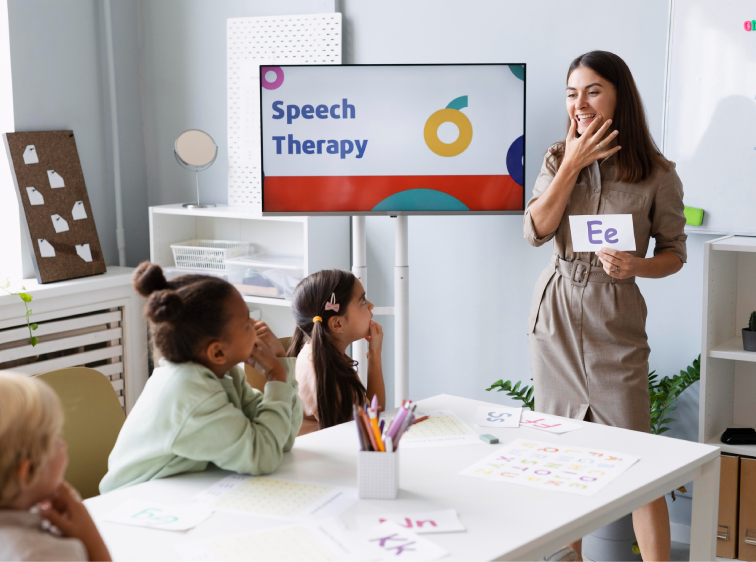
Therapy Activities for High-Functioning Autism
When a child is diagnosed with high-functioning autism, it often comes with mixed emotions — relief in understanding, but also uncertainty about the next steps. The truth is, children with high-functioning autism have incredible potential. With the right guidance, structured therapy activities, and a supportive environment like Adhyayan Inclusive Learning Centre, they can thrive academically, socially, and emotionally.
In this guide, we’ll walk through effective therapy activities that are simple, engaging, and proven to support children with high-functioning autism. Whether you’re a parent, therapist, or educator, these strategies can make a meaningful difference.
Understanding High-Functioning Autism
High-functioning autism typically refers to children on the autism spectrum who have average or above-average intelligence but may face challenges in:
- Social communication
- Emotional regulation
- Sensory processing
- Flexibility in thinking and behavior
These children often excel in specific areas but need structured support to navigate daily interactions and routines.
At places like Adhyayan Inclusive Learning Centre, therapy focuses not just on challenges — but on strengths, independence, and confidence building.
Why Therapy Activities Matter
Therapy is not just about correcting behaviors — it’s about building skills for life.
The right activities help children:
- Improve communication
- Develop social understanding
- Strengthen focus and attention
- Manage emotions
- Build independence
Consistent practice through engaging activities can bring noticeable improvements over time.
1. Social Skills Activities
Role-Playing Real-Life Situations
Role-playing is one of the most powerful tools for children with high-functioning autism.
How to do it:
- Practice greetings (“Hello”, “How are you?”)
- Simulate classroom interactions
- Act out situations like ordering food
Why it works:
Children learn best through repetition and structured scenarios. Role-play prepares them for real-world situations in a safe environment.
Social Stories
Social stories are short, simple narratives that explain social situations.
Example:
A story about “What to do when I feel angry” or “How to make a friend.”
Benefits:
- Improves understanding of social cues
- Reduces anxiety in unfamiliar situations
- Builds confidence
2. Communication Therapy Activities
Picture Exchange Communication System (PECS)
Even high-functioning children can benefit from visual communication tools.
Activity idea:
- Use picture cards to express needs
- Match pictures with emotions
Outcome:
Enhances clarity in communication and reduces frustration.
Conversation Building Games
Simple games can help children learn the flow of conversation.
Try this:
- Take turns asking questions
- Practice staying on topic
- Introduce “conversation rules”
Result:
Improved back-and-forth communication skills.
3. Sensory Integration Activities
Many children with autism experience sensory sensitivities.
Sensory Bins
Create bins filled with materials like:
- Rice
- Sand
- Beans
Add:
- Toys
- Letters
- Hidden objects
Benefits:
- Improves focus
- Calms the nervous system
- Enhances tactile processing
Deep Pressure Activities
Examples:
- Weighted blankets
- Bear hugs
- Wall pushes
Why it helps:
Provides calming input and reduces anxiety.
4. Emotional Regulation Activities
Emotion Cards
Use visual cards showing different emotions.
Activity:
- Ask the child to identify feelings
- Match situations with emotions
Benefit:
Builds emotional awareness — a key skill often challenging for children with autism.
“Zones of Regulation” Activity
Divide emotions into zones:
- Green (calm)
- Yellow (frustrated)
- Red (angry)
Teach:
What to do in each zone.
Outcome:
Better emotional control and self-awareness.
5. Cognitive and Problem-Solving Activities
Puzzle Solving
Puzzles improve:
- Logical thinking
- Focus
- Patience
Start simple and gradually increase complexity.
Strategy Games
Games like:
- Chess
- Memory matching
- Board games
Benefits:
- Enhances decision-making
- Encourages flexible thinking
6. Executive Function Activities
Executive functioning includes planning, organizing, and completing tasks.
Daily Routine Charts
Create visual schedules.
Include:
- Morning routine
- Homework time
- Playtime
Why it works:
Predictability reduces anxiety and improves independence.
Task Breakdown Method
Instead of saying:
“Clean your room”
Break it into:
- Pick up toys
- Fold clothes
- Arrange books
Result:
Tasks become manageable and achievable.
7. Play-Based Therapy
Play is not just fun — it’s essential therapy.
Structured Play Sessions
Guide the child through:
- Turn-taking games
- Imaginative play
- Cooperative activities
Benefits:
- Improves social interaction
- Encourages creativity
Lego Therapy
Using LEGO to build together.
Focus:
- Communication
- Collaboration
- Problem-solving
This is widely used in structured therapy programs, including at centers like the Best Autism School in Delhi.
8. Speech and Language Activities
Storytelling Practice
Ask the child to:
- Describe a picture
- Narrate a short story
Benefit:
Improves language structure and expression.
Reading Aloud
Reading improves:
- Vocabulary
- Comprehension
- Pronunciation
Make it interactive by asking questions.
9. Physical Activities for Regulation
Movement plays a big role in behavior and focus.
Yoga for Autism
Simple poses:
- Tree pose
- Child’s pose
- Deep breathing
Benefits:
- Reduces anxiety
- Improves concentration
Outdoor Play
Activities like:
- Cycling
- Running
- Playing catch
Outcome:
Better mood and improved social interaction.
10. Technology-Based Therapy
In today’s world, technology can support therapy effectively.
Educational Apps
Use apps designed for:
- Social skills
- Communication
- Emotional learning
Important:
Limit screen time and ensure guided usage.
How Parents Can Support at Home
Consistency is key. Here’s how you can help:
- Create a structured daily routine
- Reinforce therapy activities regularly
- Celebrate small achievements
- Stay patient and positive
Remember, progress may be slow — but every step counts.
Importance of Professional Guidance
While home activities are helpful, professional support is essential for structured development.
At Adhyayan Inclusive Learning Centre, therapy is designed with:
- Individualized plans
- Experienced therapists
- Evidence-based techniques
- A nurturing environment
Being recognized as a Best Autism School in Delhi, the focus is on empowering each child to reach their full potential.
Common Mistakes to Avoid
- Expecting quick results
- Comparing your child with others
- Ignoring sensory needs
- Lack of consistency
Understanding your child’s unique pace is crucial.
Final Thoughts
Children with high-functioning autism are capable, intelligent, and full of potential. With the right therapy activities, structured support, and encouragement, they can develop essential life skills and build meaningful relationships.
The journey may require patience, but the results are deeply rewarding.
Whether at home or with professional support like Adhyayan Inclusive Learning Centre, the goal remains the same — helping every child feel understood, confident, and capable.