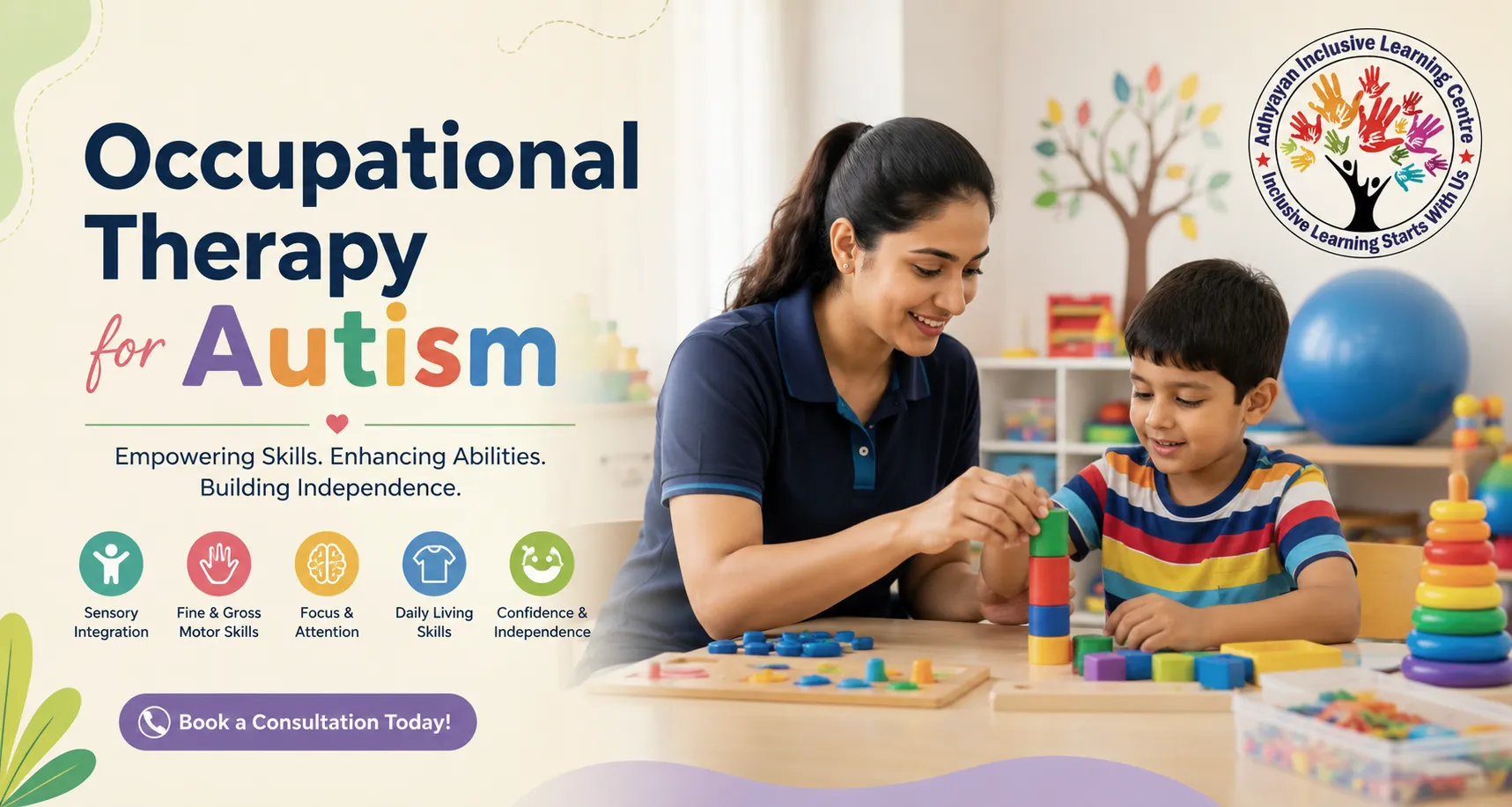
Every child deserves the chance to explore the world with confidence. For children on the autism spectrum daily tasks that seem simple to others can feel overwhelming. Getting dressed. Eating meals. Playing with peers. Writing in class. These small moments can become daily struggles without the right support. This is where occupational therapy for autism plays a powerful role. It helps children build the skills they need to navigate everyday life with greater ease and independence.
Occupational therapy is not about forcing a child to fit a mold. It is about understanding how a child experiences the world and helping them develop practical skills that fit their unique needs. It builds independence. It strengthens motor skills. It improves sensory regulation. Parents who seek this support early often see meaningful changes in how their child engages with the world around them.
What Is Occupational Therapy for Autism?
Occupational therapy for autism is a specialized treatment approach designed to help children develop the skills needed for daily living. Occupational therapists work with children to improve fine motor skills gross motor skills sensory processing and social interaction. The goal is always practical. It focuses on real world tasks that matter in a child's everyday routine.
A trained occupational therapist begins by assessing a child's current abilities and challenges. From there the therapist builds a personalized plan targeting specific goals. This might include improving handwriting. It might include building tolerance for different textures and sounds. It might include learning how to dress independently or manage transitions between activities smoothly.
Understanding the importance of occupational therapy helps parents see why this support matters so deeply for a child's growth. The earlier a child receives guidance the more naturally these skills become part of their daily life.
Why Occupational Therapy Matters for Children with Autism
Children on the autism spectrum often experience the world differently through their senses. Bright lights loud noises certain fabrics or unexpected touch can feel intense and overwhelming. This sensory experience can affect behavior attention and emotional regulation throughout the day.
Occupational therapy helps children build tools to manage these sensory experiences. It teaches coping strategies for overwhelming situations. It builds confidence in physical movement and coordination. It also supports emotional regulation which reduces frustration and meltdowns over time.
Beyond sensory support occupational therapy also strengthens practical life skills. Children learn how to hold a pencil correctly. They learn how to use utensils during meals. They learn how to button a shirt or tie their shoes. These small victories build independence and self esteem that carry into every part of a child's life.
What Is Occupational Therapy for Autism in Practice
Many parents wonder what is occupational therapy for autism when it comes to actual daily sessions. In practice therapy often looks like play. Children might climb through sensory tunnels. They might swing on suspended equipment to build balance. They might squeeze putty to strengthen hand muscles. These activities feel like fun to the child while targeting specific developmental goals behind the scenes.
Sessions are typically structured around a child's individual needs. A therapist may focus on one area during one session and shift focus during another depending on progress and priorities. Parents are often included in sessions so they can learn how to reinforce skills at home between visits.
Effective Occupational Therapy Activities for Autism
There are many occupational therapy activities for autism that therapists use to support development. These activities are designed to feel engaging while targeting specific skills.
Sensory bins filled with rice sand or beads help children explore textures safely. Balance beams and trampolines build gross motor coordination and body awareness. Puzzles and building blocks strengthen fine motor control and problem solving. Weighted blankets and compression vests help calm the nervous system during moments of overstimulation. Simple daily routines like brushing teeth or pouring water are practiced repeatedly to build independence in self care tasks.
These activities are chosen based on each child's specific needs. What works well for one child may not work the same way for another. A skilled therapist adjusts activities constantly to keep progress moving forward in a way that feels natural and enjoyable for the child.
The Benefits of Occupational Therapy for Autism
The benefits of occupational therapy for autism reach far beyond the therapy room. Children often show improved focus and attention in the classroom. They show stronger communication through better body awareness and reduced sensory overwhelm. They show greater independence in daily routines such as dressing eating and personal hygiene.
Socially children often become more comfortable interacting with peers. They learn how to take turns during play. They learn how to manage frustration without becoming overwhelmed. These improvements support friendships and reduce isolation that many children on the spectrum experience.
Academically occupational therapy supports better handwriting posture and classroom participation. Children who once struggled to sit still or hold a pencil often show noticeable improvement after consistent therapy sessions. These gains build confidence that extends well beyond the classroom.
Occupational Therapy for Children with Autism at Different Ages
Occupational therapy for children with autism looks different depending on the child's age and developmental stage. For toddlers therapy often focuses on foundational skills such as sitting balance and early sensory exploration. For preschool age children the focus often shifts toward self care tasks and early social interaction skills.
For school age children therapy frequently targets handwriting classroom participation and managing sensory challenges within a busy school environment. For older children and teenagers occupational therapy may focus on organizational skills independent living tasks and preparing for greater responsibility as they grow.
No matter the age early and consistent support tends to produce the most meaningful long term results. Therapists adjust their approach as children grow ensuring that therapy remains relevant and effective at every stage of development.
Finding Occupational Therapy for Autism Near Me
Many parents begin their search by looking for occupational therapy for autism near me. Finding a local center offers the advantage of consistent in person support and direct observation by the therapist. It also allows for hands on activities using specialized equipment that may not be available at home.
When searching for a nearby center parents should look for therapists with strong experience working specifically with children on the autism spectrum. A good center will create a warm and welcoming environment where children feel safe and supported throughout every session.
If you are located in the capital region you can explore trusted options at the best occupational therapy centre in Delhi where experienced therapists work closely with children of all ages and developmental needs. Having access to quality local care can make a significant difference in a child's progress and overall comfort during the therapy journey.
What to Expect During the First Session
Parents often feel nervous before their child's first occupational therapy session. Understanding what to expect can ease that anxiety significantly. The first session typically involves an assessment where the therapist observes the child's movement coordination and sensory responses.
The therapist will also ask parents detailed questions about the child's daily routines strengths and challenges. This information helps build an accurate picture of the child's needs. From there the therapist develops a personalized treatment plan with clear goals and a suggested schedule for ongoing sessions.
Parents should feel comfortable asking questions throughout this process. A good therapist welcomes parent involvement and encourages open communication about progress and concerns at every stage of treatment.
How Parents Can Support Progress at Home
Therapy does not stop when the session ends. Parents play a critical role in reinforcing skills learned during therapy. Simple daily routines can become opportunities for practice. Encouraging a child to dress independently. Involving them in simple cooking tasks. Allowing time for sensory play with safe household materials.
Consistency matters greatly in this process. Children benefit most when skills are practiced regularly rather than only during scheduled sessions. Occupational therapists often provide parents with specific home exercises and strategies tailored to their child's individual goals.
Patience is equally important. Progress may feel slow at times but small consistent steps often lead to significant long term growth. Celebrating small wins along the way helps build a child's confidence and motivation to keep trying new skills.
Choosing the Right Occupational Therapy Provider
Selecting the right provider is an important decision for any family. Parents should look for licensed and experienced occupational therapists with a strong background in autism specific care. It helps to ask about the therapist's approach to sensory integration and how they measure progress over time.
A good provider will communicate openly with parents and involve them in goal setting throughout the process. They will also create a comfortable and engaging environment where children feel safe to explore new challenges without fear or pressure.
Taking time to research and visit potential centers before committing to a provider can help ensure the best possible fit for your child's unique needs and personality.
Conclusion
Occupational therapy for autism is more than a service. It is a pathway toward greater independence confidence and comfort in everyday life. Whether a child is learning to manage sensory challenges improve motor skills or build social confidence occupational therapy provides the tools needed for real progress.
Every child deserves the opportunity to thrive in their own way. With the right therapist consistent support and patient encouragement at home children on the autism spectrum can build skills that support them for years to come. If you notice your child struggling with daily tasks or sensory challenges do not wait to seek guidance. Early support often leads to the most meaningful and lasting results for your child's development and happiness.