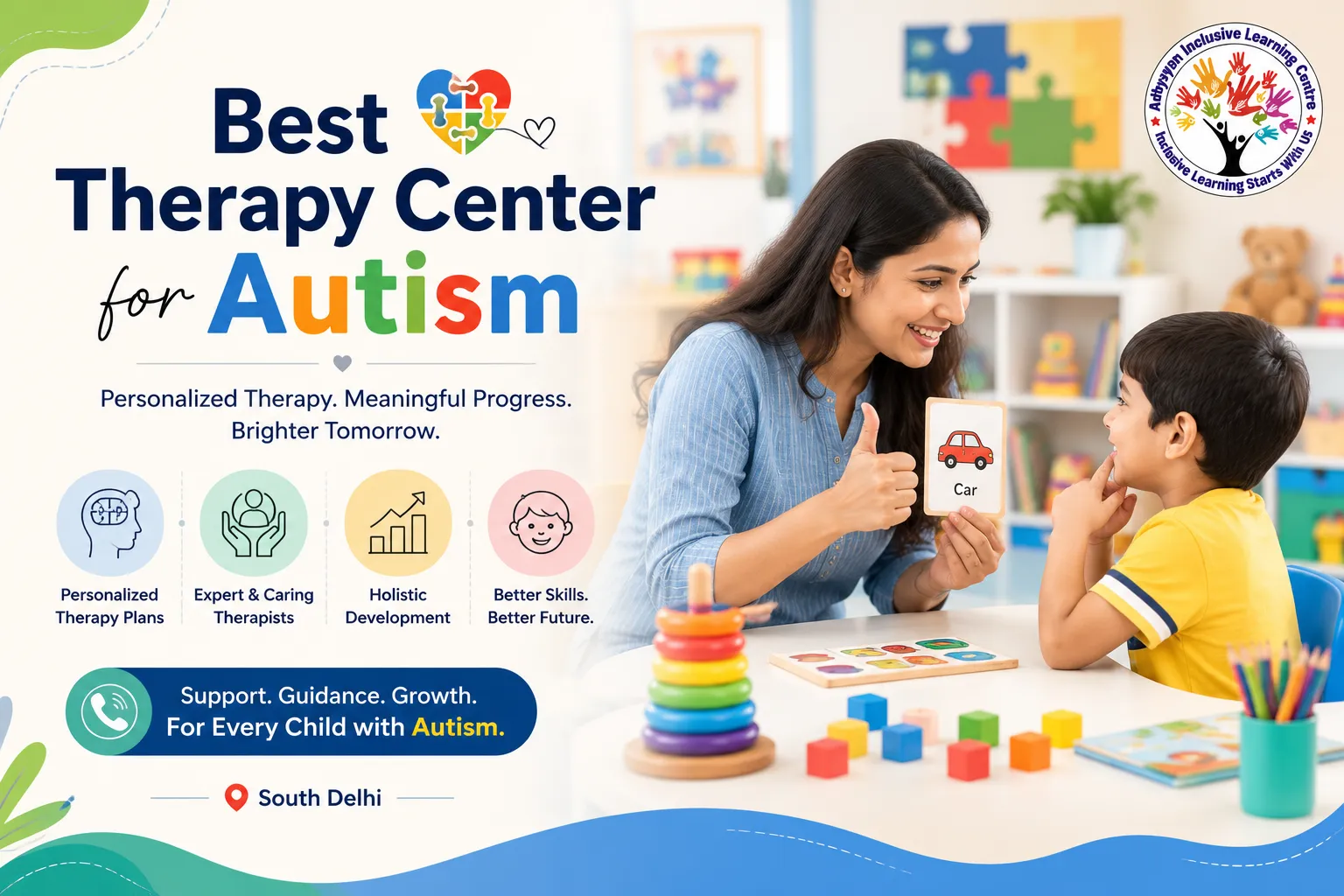
Finding the best therapy center for autism is one of the most important decisions a parent will make, and also one of the most confusing. Having spent years around this field, working closely with families navigating an autism diagnosis or even just early concerns, I can tell you that the search rarely follows a straight path. Parents usually start by typing "autism therapy near me" into a search bar late at night, overwhelmed by too many options and not enough clarity on what actually separates a good centre from an average one.
This guide is written from that lived experience, not a marketing brochure. My goal here is to help you understand what genuinely matters when choosing an autism centre in Delhi, so you can walk into that first consultation asking the right questions instead of simply trusting a website's claims.
Why the Right Centre Makes Such a Big Difference
Autism is a spectrum, and that word gets used so often that it almost loses its meaning. But it matters enormously in practice. Two children with the same diagnosis label can have completely different strengths, sensitivities, and communication styles. This is exactly why the best therapy center for autism does not offer a single fixed program for everyone. It builds a plan around your child specifically, after a proper and detailed assessment.
In my years around this space, I have seen families make real progress once they find a centre that actually listens rather than just prescribes. A good centre treats parents as partners, not bystanders. They explain what they are working on, why, and what progress actually looks like week to week, rather than vague reassurances.
What to Expect When You Search for Autism Therapy Near Me
When most parents search autism therapy near me, they are usually looking for convenience along with quality, since regular sessions over months or years require a location that is realistically manageable for the family. That said, convenience should never come at the cost of proper care. A centre closer to home that lacks trained professionals is not actually more convenient in the long run, since poor early intervention often means longer treatment timelines later.
A well rounded autism centre in Delhi typically brings together a few different types of professionals under one roof, or at least in close coordination. This usually includes speech language pathologists, occupational therapists, special educators, and sometimes behavioural therapists trained in structured intervention approaches. When these professionals work together rather than in isolation, children tend to show more consistent, well rounded progress.
The Core Therapies That Make Up a Strong Autism Program
Autism support is rarely built around one single therapy. Based on years of watching treatment plans unfold, here are the core components that most effective programs include.
Speech and communication support Many children on the spectrum face challenges with verbal communication, and sometimes non verbal communication too. A therapist offering speech therapy for autism usually focuses on building functional communication first, whether that means spoken words, gestures, or picture based systems, along with social communication skills like eye contact and turn taking in conversation.
Sensory and motor development Sensory processing challenges are extremely common in autism, and this is where occupational therapy for autism plays a central role. Occupational therapists work on things like motor coordination, self care skills, and helping children manage sensory sensitivities that might otherwise cause distress or meltdowns in everyday situations.
Structured behavioural support For many children, aba therapy for autism forms an important part of the overall plan, using positive reinforcement techniques to encourage desirable behaviours and reduce behaviours that interfere with learning or social interaction. This approach works best when it is individualised rather than applied as a rigid, one size fits all program.
The best therapy center for autism usually blends these approaches based on what a specific child needs, rather than pushing every family through the exact same combination of services regardless of fit.
Signs Your Child May Benefit From an Autism Focused Program
Parents often hesitate before seeking an evaluation, unsure whether what they are noticing is genuinely a concern. Based on years of observing these situations, here are signs that usually warrant a proper assessment:
- Delayed speech or limited use of words and gestures compared to peers
- Difficulty maintaining eye contact or engaging in back and forth interaction
- Repetitive behaviours or intense focus on specific objects or routines
- Strong reactions to certain sounds, textures, or sensory input
- Difficulty adapting to changes in routine
- Limited interest in typical social play with other children
If several of these sound familiar, it is worth booking an evaluation rather than waiting. Research consistently shows that children who receive support before the age of five tend to make significantly stronger gains in communication, social skills, and independence compared to children who start therapy later.
What Separates a Great Autism Centre From an Average One
Having spent enough time around this field to see a wide range of approaches, here is what I would tell any parent to genuinely look for.
Qualified, experienced professionals Look for centres staffed by certified speech therapists, occupational therapists, and behavioural specialists with real hands on experience treating autism specifically, not just general paediatric cases.
A detailed, individualised assessment The best therapy center for autism always starts with a thorough evaluation before building a treatment plan. If a centre skips straight to generic activities without understanding your child's specific profile, that is a warning sign.
Genuine parent involvement Programs that actively train parents to reinforce strategies at home consistently show faster, more lasting skill gains compared to therapy conducted in isolation from the family.
Clear progress tracking You should be receiving regular, honest updates on what is being worked on and how your child is responding, not vague reassurances that everything is going fine.
A calm, structured, and welcoming environment Children on the spectrum often respond better to predictable, sensory friendly spaces. Visiting a centre in person and observing how staff interact with children tells you far more than any website ever could.
Why Delhi Has Become a Strong Hub for Autism Care
Over the last several years, Delhi has developed a genuinely strong ecosystem of autism specific care, with a growing number of centres offering multidisciplinary support under one roof. This shift has been driven largely by better awareness among paediatricians and schools, along with more informed parents actively seeking early intervention rather than waiting for problems to resolve on their own.
That said, more options also means parents need to filter carefully. Not every centre advertising autism services actually has the depth of experience needed to handle more complex cases. Visiting in person, asking detailed questions about staff qualifications, and requesting a trial session before committing long term are all reasonable steps that any credible autism centre in Delhi should welcome, not resist.
Questions Worth Asking Before You Commit
Before finalising a centre, it helps to ask direct questions rather than relying only on online reviews or a polished website. Ask how they conduct their initial assessment. Ask which specific therapies they recommend for your child and why. Ask how progress will be tracked and communicated to you. Ask whether parents receive training to continue strategies at home. The depth and honesty of these answers usually tells you far more about a centre's genuine competence than any marketing claim.
Conculsion
There is no single, universal answer to which is the best therapy center for autism for every family, because the right fit depends entirely on your child's specific needs, the centre's depth of experience, and how comfortable your child feels in that environment. What I have consistently seen make the biggest difference over the years is early action combined with genuine parent involvement. Families who ask detailed questions, stay consistent with therapy, and actively participate in the process tend to see the most meaningful long term progress.
Take your time with this decision, trust your own observations, and do not hesitate to visit more than one centre before committing. The right autism centre in Delhi will welcome your questions rather than rush you into a decision, and that transparency is often the clearest sign you have found the right place for your child.