Social Skills and Communication Development for Children with ASD in Delhi
For many parents of autistic children, the hardest moments are social ones: a birthday party that ends in tears, a classmate who stops inviting the child, or a playground where the child plays alone. A social skills development centre in Delhi for ASD teaches the unwritten rules of interaction step by step, in settings where the child can practise safely and without judgement.
This guide explains how social communication develops, which skills are targeted at each age, the methods used, how group and individual sessions differ, what research says about peer-based programmes, what parents can do at home and how to choose a centre for communication skill development.
What Are Social Skills and Communication Skills?
Social skills are the abilities that let a child connect with others: noticing someone, taking turns, sharing attention, reading expressions, joining a game and handling disagreement. Communication skills are the tools used to do this, including words, gestures, eye gaze, pictures and devices.
Autism affects how children process social information, so these skills often need direct teaching instead of being picked up naturally. This does not mean the child lacks interest in people. Many autistic children want friends and need clearer ways to reach them. The aim of training is to build confidence and connection, not to make a child hide who they are.
How Social Communication Develops
Typical social development starts long before speech. Babies share smiles in the first months, respond to their name and point to show things by about a year. Toddlers imitate, share toys and play simple pretend games. Preschoolers take turns and begin cooperative play, and school-age children make friends, follow group rules and read other people's feelings.
When a child skips or struggles with these steps, adult support helps most when it matches the child's current level. A teenager who cannot yet join a conversation may first need to practise sharing attention and turn-taking, just as a toddler would. A good plan starts where the child is, not where their age says they should be.
Skills a Social Communication Programme Works On
Early foundations
- Responding to name and sharing attention with another person
- Imitation, turn-taking and simple play routines
- Requesting, protesting and making choices in a way others understand
Conversation and play
- Starting, continuing and ending a conversation
- Staying on topic, asking questions and noticing when the listener is bored
- Joining peers in pretend play and games with rules
Understanding others
- Reading facial expressions, tone and body language
- Understanding jokes, idioms and sarcasm for older children
- Perspective-taking and handling disagreements or losing a game
Self-regulation in social settings
- Staying calm in noisy or unpredictable situations
- Asking for a break and using calming strategies
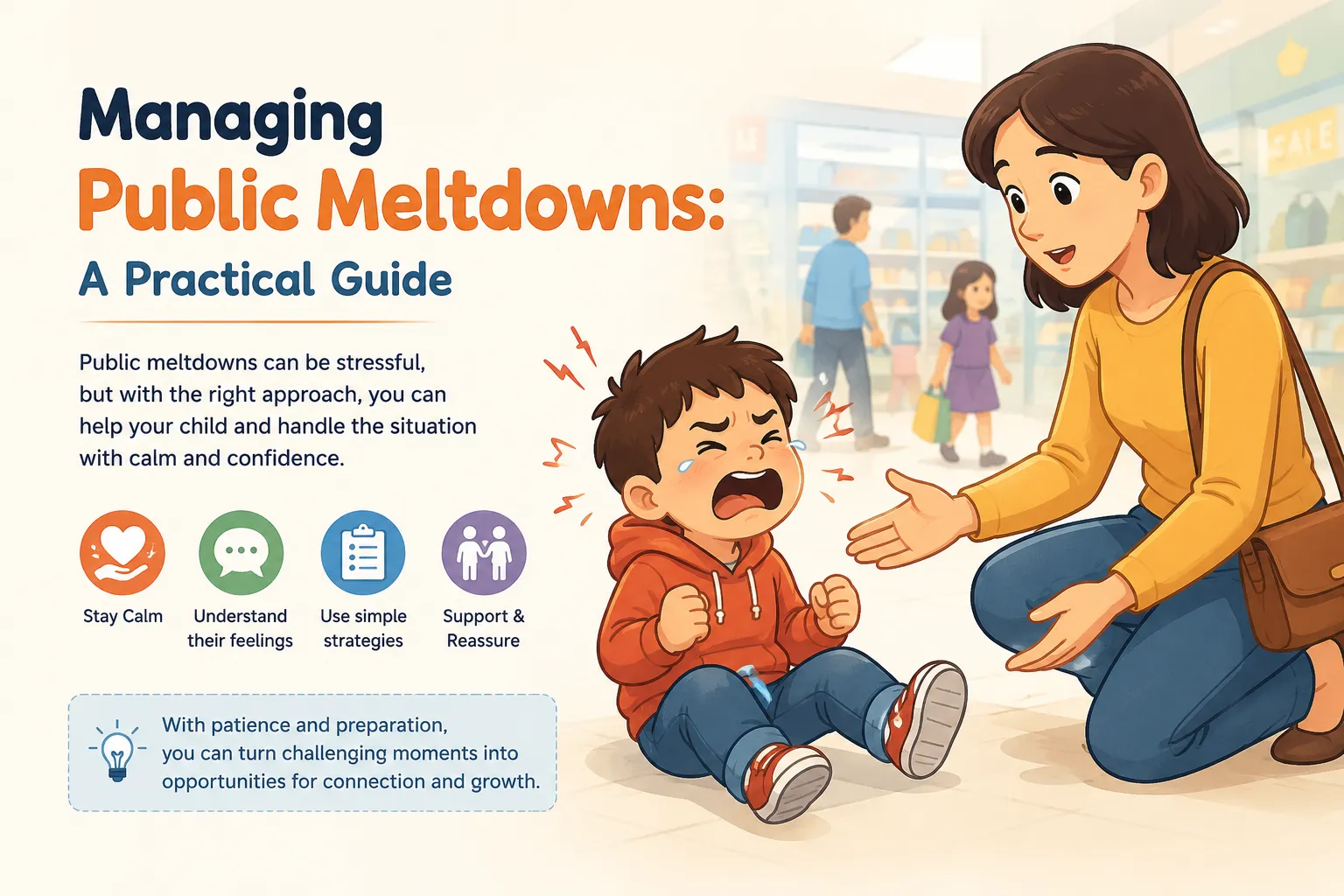
Behaviour and regulation are closely linked to social success. Our practical guide on managing public meltdowns offers strategies parents can use while skills are still developing.
How Social Skills Training for ASD Is Delivered
Individual sessions
One-to-one sessions are useful when a child needs to build early foundations such as attention, imitation and requesting. The therapist can move at the child's pace, use favourite interests and reduce distractions. Our speech therapy for autism programme focuses on functional and social communication in this way.
Small group sessions
Groups let children practise with real peers. A group is usually matched by age and communication level, runs through a predictable routine and uses games, role play, visual supports and short activities. Skills learned one-to-one are then tried with others, with an adult guiding and then stepping back.
Play-based approaches
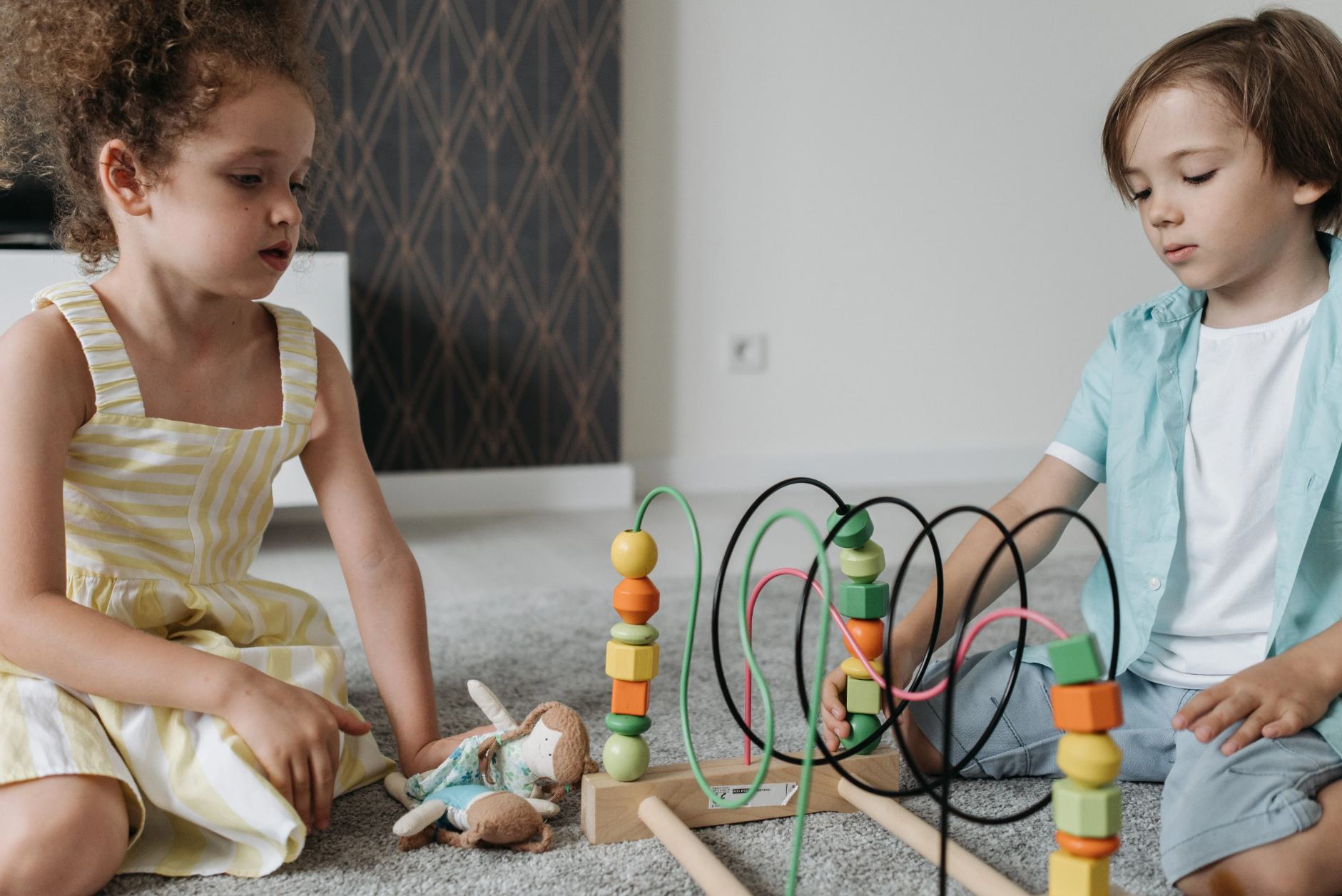
Young children learn social skills through play. Structured and child-led play sessions build turn-taking, imagination and shared enjoyment. Read more about this approach in our guide to play therapy for autism.
Behavioural and visual supports
Many programmes use reinforcement, task analysis, social stories and visual schedules. These ideas draw on ABA therapy for autism. A good therapist adapts these tools so that the child is learning real communication, not just rehearsed scripts.
Communication aids
For children who speak little or not at all, picture systems, gestures or speech-generating devices can give a reliable way to communicate while speech develops. Using these aids does not stop speech from growing, and a speech therapist will decide what is right for the child.
What Does the Research Say?
Social skills groups are among the most studied supports for autistic children and teens. One well-known example is the PEERS programme developed at UCLA, a parent-assisted group for teenagers that teaches conversation, entering and exiting groups, handling teasing and arranging get-togethers, with parents coached to support practice at home. Studies of programmes like this have reported gains in social knowledge and friendship skills, although results vary and gains are strongest when skills are practised in daily life.
Reviews of social skills groups also note that skills learned in a clinic do not always carry over to school on their own. This is why good centres involve parents and teachers, set goals around real situations and review progress regularly. Be cautious of programmes that promise to "fix" social difficulties in a fixed number of weeks.
How Parents Can Support Social Skills at Home
- Follow your child's lead in play and join in their interest before adding new ideas
- Narrate and model simple language during routines such as meals and bath time
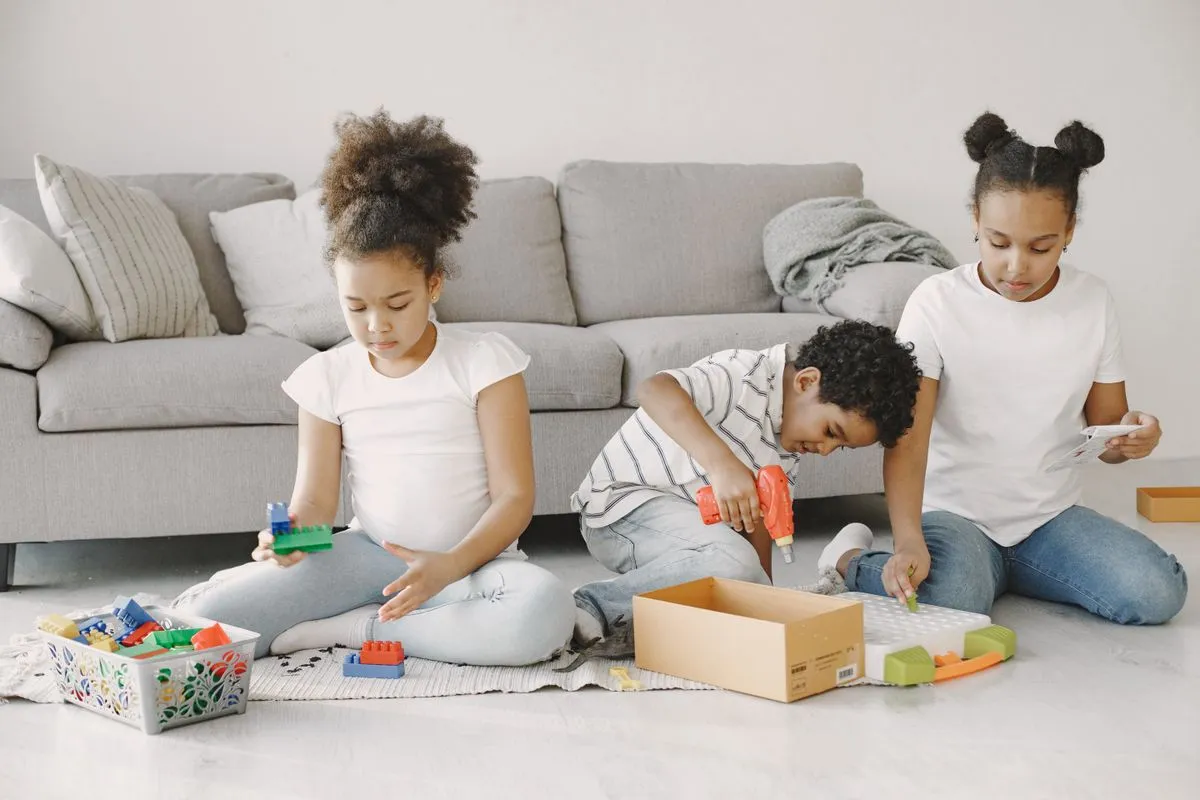
- Practise turn-taking with board games, ball games and sharing snacks
- Prepare for events with pictures, short stories and a clear plan for breaks
- Arrange short playdates with one familiar child and a simple structured activity
- Celebrate attempts, not only perfect results
Our article on activities for autism spectrum disorder has more play and communication ideas you can try at home.
Social Skills by Age: What to Aim For
Preschool (3 to 5 years)
Aim for shared attention, turn-taking in simple games, requesting with words or pictures and parallel play beside peers.
Primary school (6 to 11 years)
Aim for joining a group at recess, asking and answering questions, understanding rules of games and dealing with losing or being left out.
Teenage years (12 years and above)
Aim for conversations about shared interests, reading humour and sarcasm, handling group chats and online safety, setting boundaries and building friendships that last. Social skills at this age also link to future work. Skills such as asking for help and accepting feedback carry directly into the workplace, a theme covered in our guide to vocational training for autism in Delhi.
How to Choose a Centre for Social Communication Development
- Staff trained in autism, with a speech therapist and special educator involved
- Goals written around everyday situations such as school, family events and play
- Small groups matched by age and communication level
- Regular feedback and parent coaching
- Respect for the child's sensory needs, interests and pace
- Clear information about how skills will be practised outside the sessions
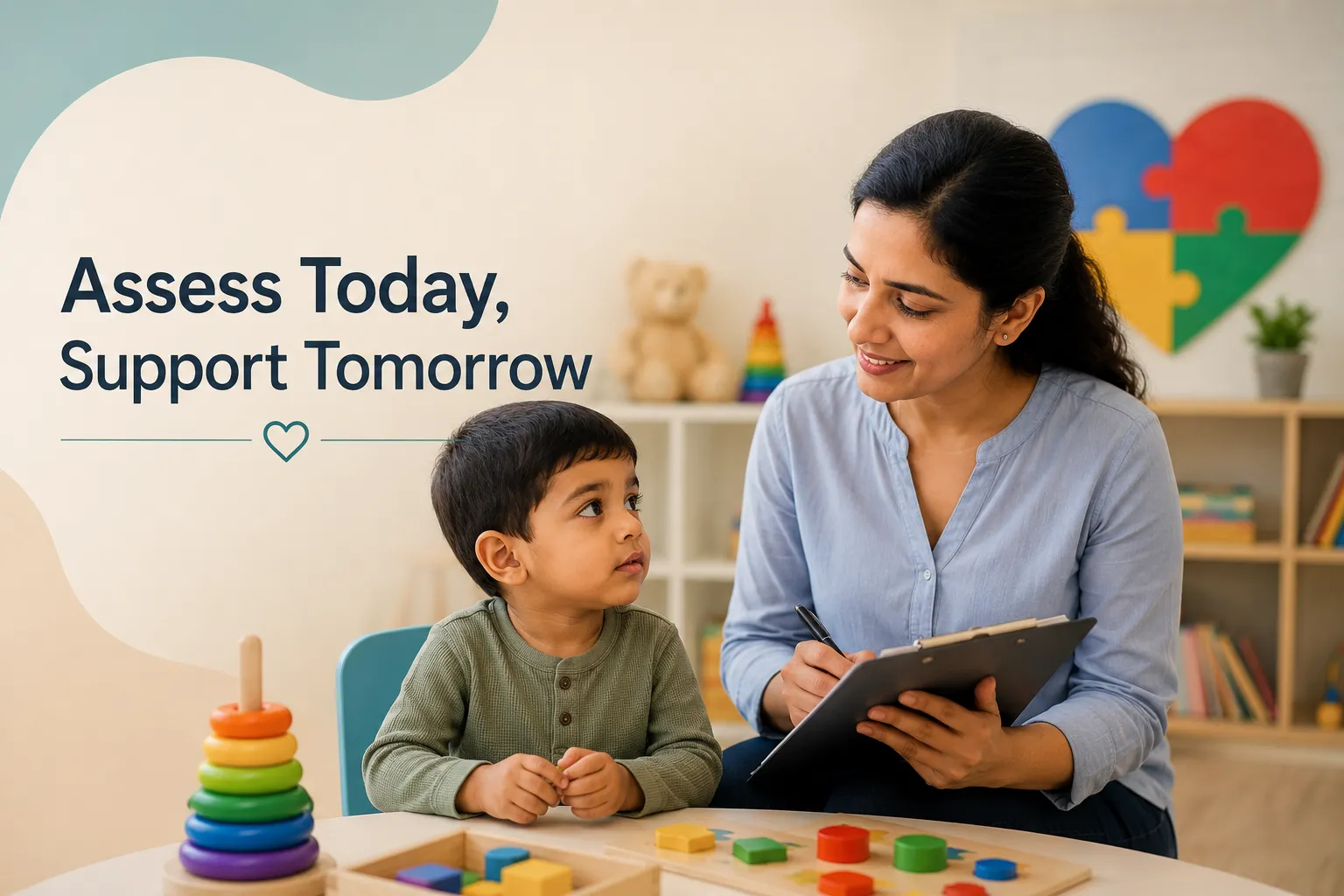
If your child has not yet been assessed, begin with the process described in our guide to autism assessment in Delhi.
Social and Communication Support at AILC, South Extension
AILC brings special education, speech therapy, occupational therapy and behaviour support together so that social skills are taught consistently across settings. Our team has worked with children with autism and other developmental needs for over 30 years at E-17, 2nd Floor, South Extension Part 1, New Delhi. We support children and families from South Delhi and across Delhi NCR, using personalised individual and group programmes.
To discuss your child's communication and social needs, book a consultation or call +91 98100 52388.