ABA Therapy in Delhi: What It Is and How It Helps Children
If a therapist, paediatrician, or another parent has mentioned "ABA therapy" to you, you are probably left with more questions than answers. Is it the same as behaviour therapy? Does it only apply to autism? Will it feel clinical and rigid for a young child? These are fair questions, mainly because ABA is one of the more widely recommended therapies for autism, yet also one of the least understood by parents hearing the term for the first time.
We have worked with families across Delhi and NCR for over three decades at Adhyayan Inclusive Learning Centre, and our applied behaviour analysis programme is one of the services we get asked to explain the most, usually right after a child's autism assessment. This guide breaks down what ABA therapy actually is, how a typical session works, and how it genuinely helps children build communication, behaviour, and daily living skills.
If you would rather discuss whether ABA is right for your child, get in touch with our team and we will walk you through what a personalised plan would look like.
What Is ABA Therapy, in Plain Terms?
ABA stands for Applied Behaviour Analysis. At its core, it is a structured, evidence-based approach that looks at how behaviour works: what triggers a certain behaviour, what happens right after it, and how that response either encourages or discourages the behaviour from happening again. ABA therapists use this understanding to gently reinforce helpful behaviours, such as asking for something instead of having a meltdown, and reduce behaviours that get in the way of learning or daily life.
It is important to say clearly what ABA is not. It is not about forcing a child to behave in a certain way through punishment, and it is not a one-size-fits-all script applied to every child the same way. A well-run ABA programme is built entirely around an individual child's goals, whether that is early communication, reducing specific behaviours, or building independence in routines like eating, dressing, or toileting.
Who Is ABA Therapy For?
ABA is most commonly associated with autism, and it is one of the most researched interventions for children on the spectrum. That said, it is also used for children with ADHD, developmental delays, or behavioural difficulties that are affecting learning, social interaction, or family life at home. Our ABA therapy for autism programme is generally recommended when a child needs more intensive, structured support than speech or occupational therapy alone can provide, particularly for early communication goals or significant behavioural concerns.
What Actually Happens in an ABA Session
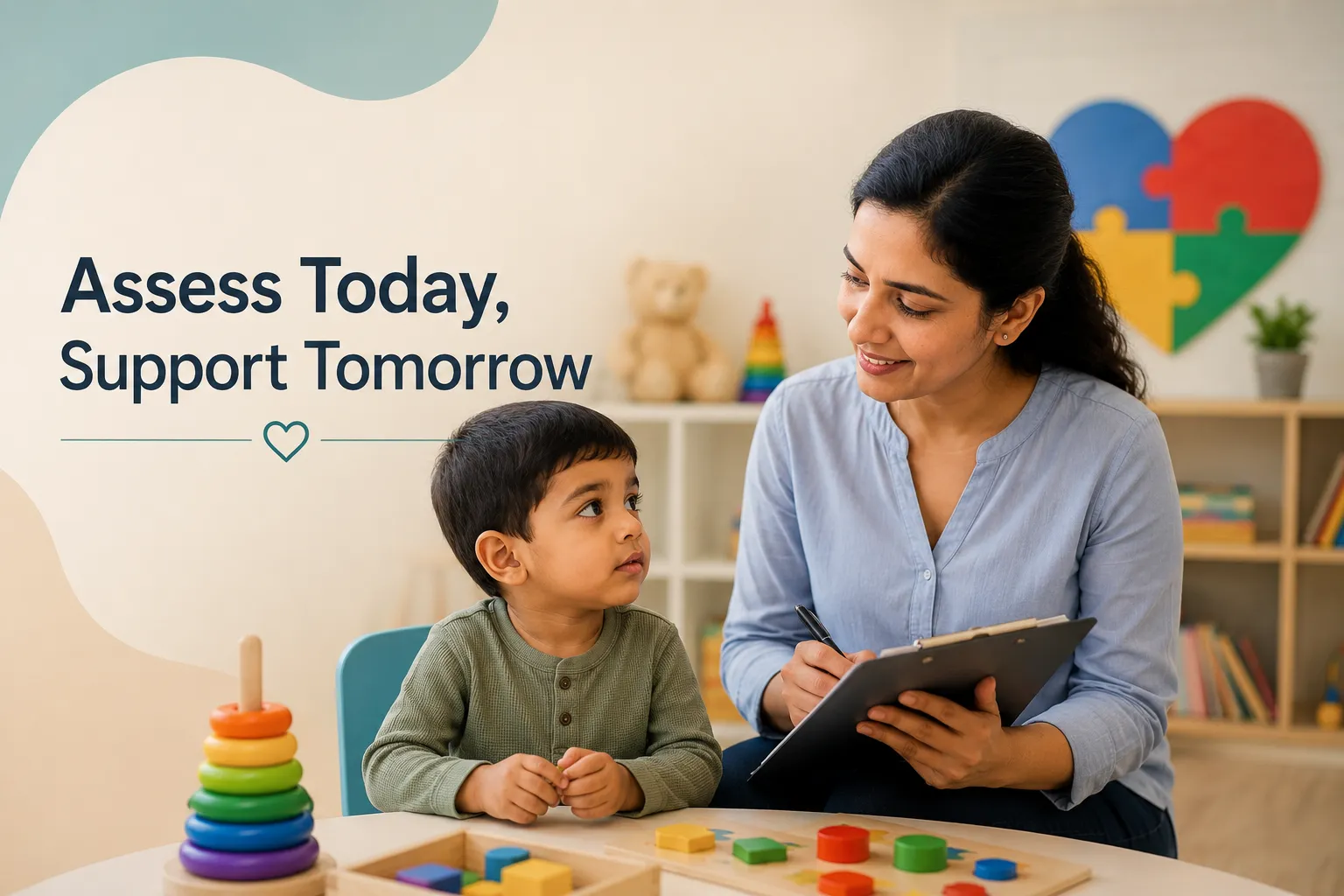
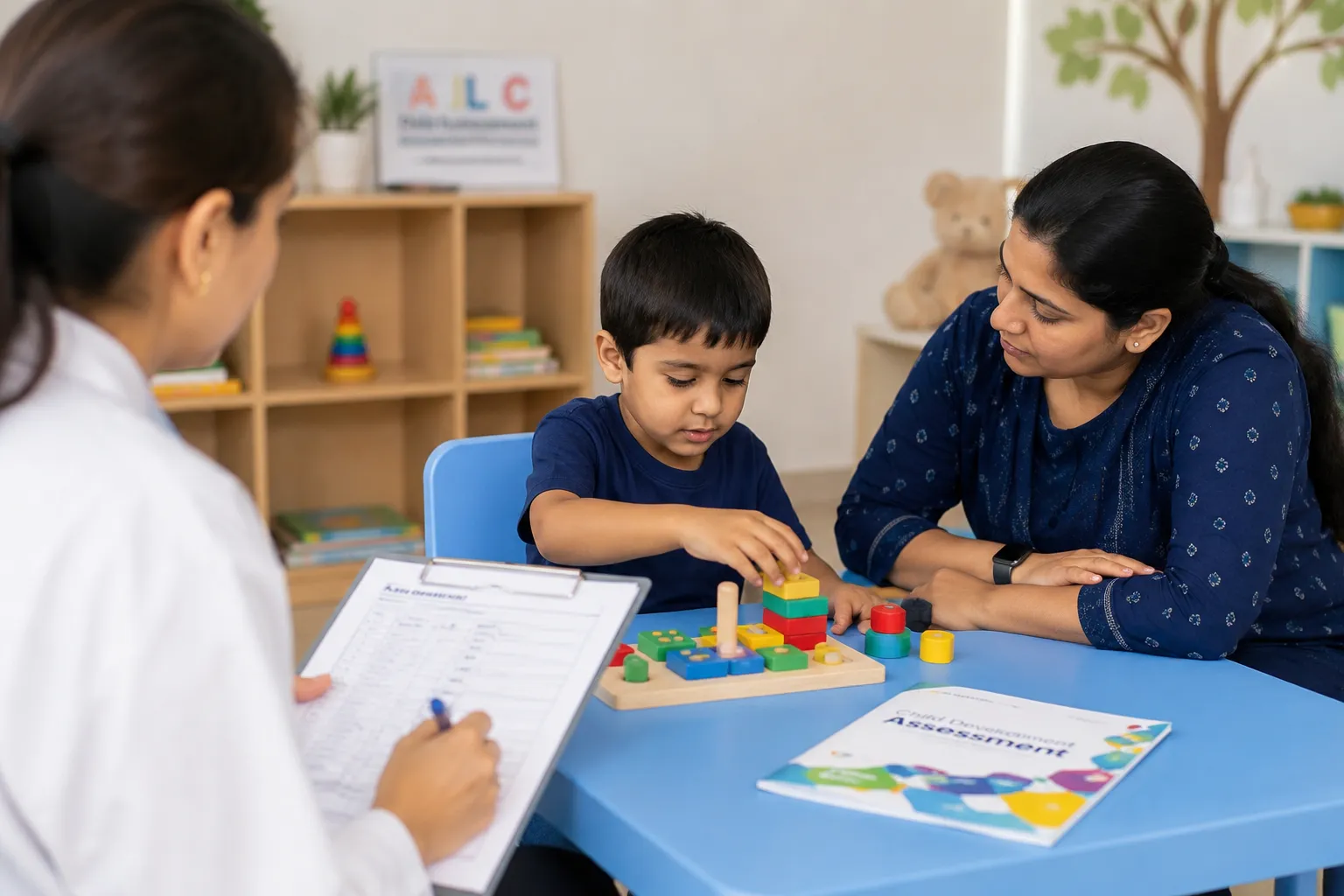
It starts with an assessment, not a plan. Before any therapy begins, a Board Certified Behaviour Analyst or trained ABA therapist observes the child and, alongside parents, identifies specific target behaviours and goals. This could be anything from "reduce tantrums during transitions" to "increase requesting behaviour using words or gestures."
Sessions are broken into small, teachable steps. Rather than expecting a big skill all at once, ABA breaks goals into smaller pieces. A child learning to communicate a need, for example, might first be taught to point, then to use a single word, then a short phrase, with each step reinforced positively before moving to the next.
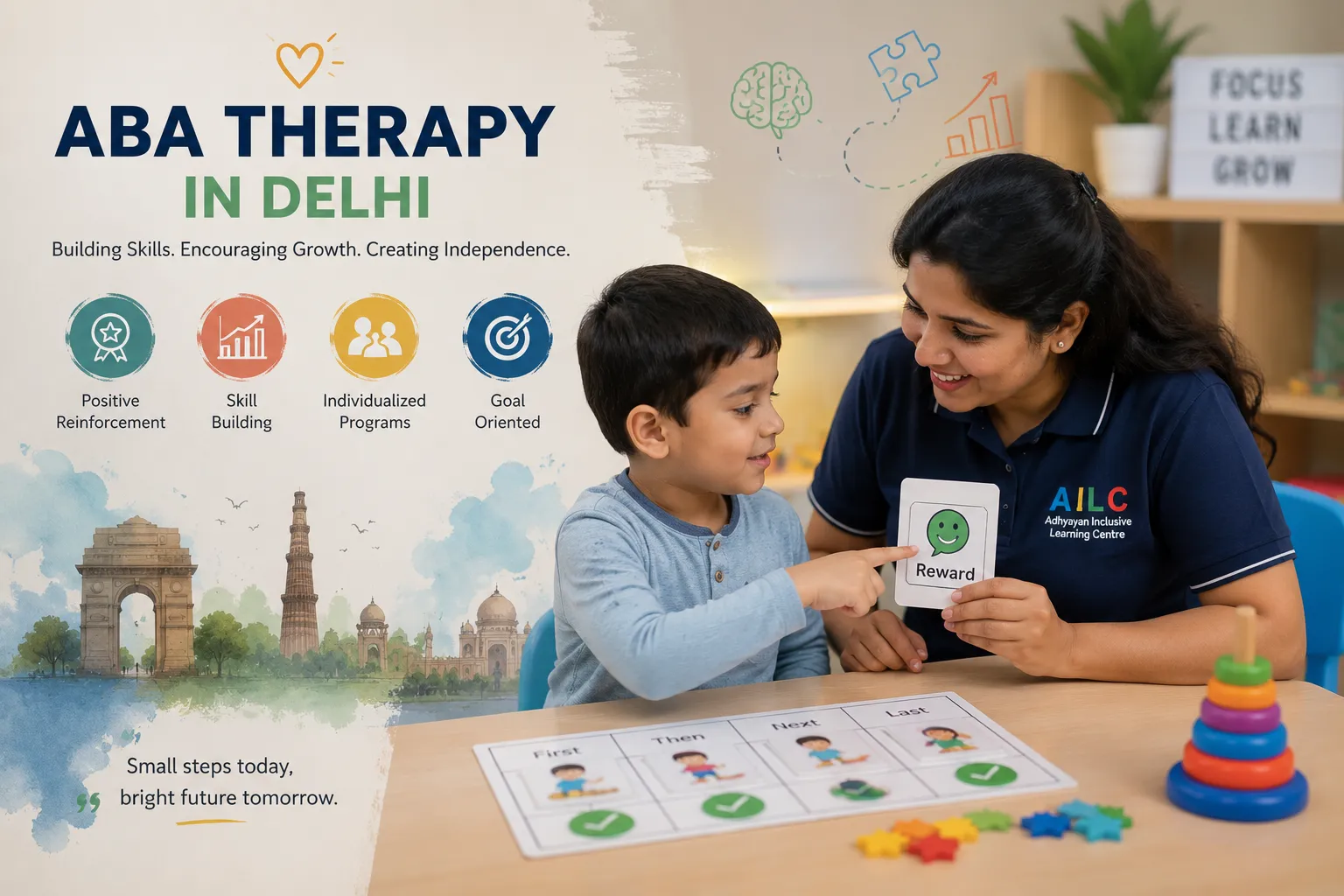
Positive reinforcement is central. When a child demonstrates a desired behaviour, whether that is making eye contact, following an instruction, or using a word instead of crying, it is immediately and consistently reinforced, usually through praise, a preferred activity, or a small reward. Over time, this builds the behaviour naturally, without pressure or punishment.
Data is tracked at every session. ABA therapists record what worked, what did not, and how the child responded, session after session. This is what makes ABA different from many other therapies: progress is not based on impression, it is based on consistent, measurable observation, which also means the plan can be adjusted quickly if something is not working.
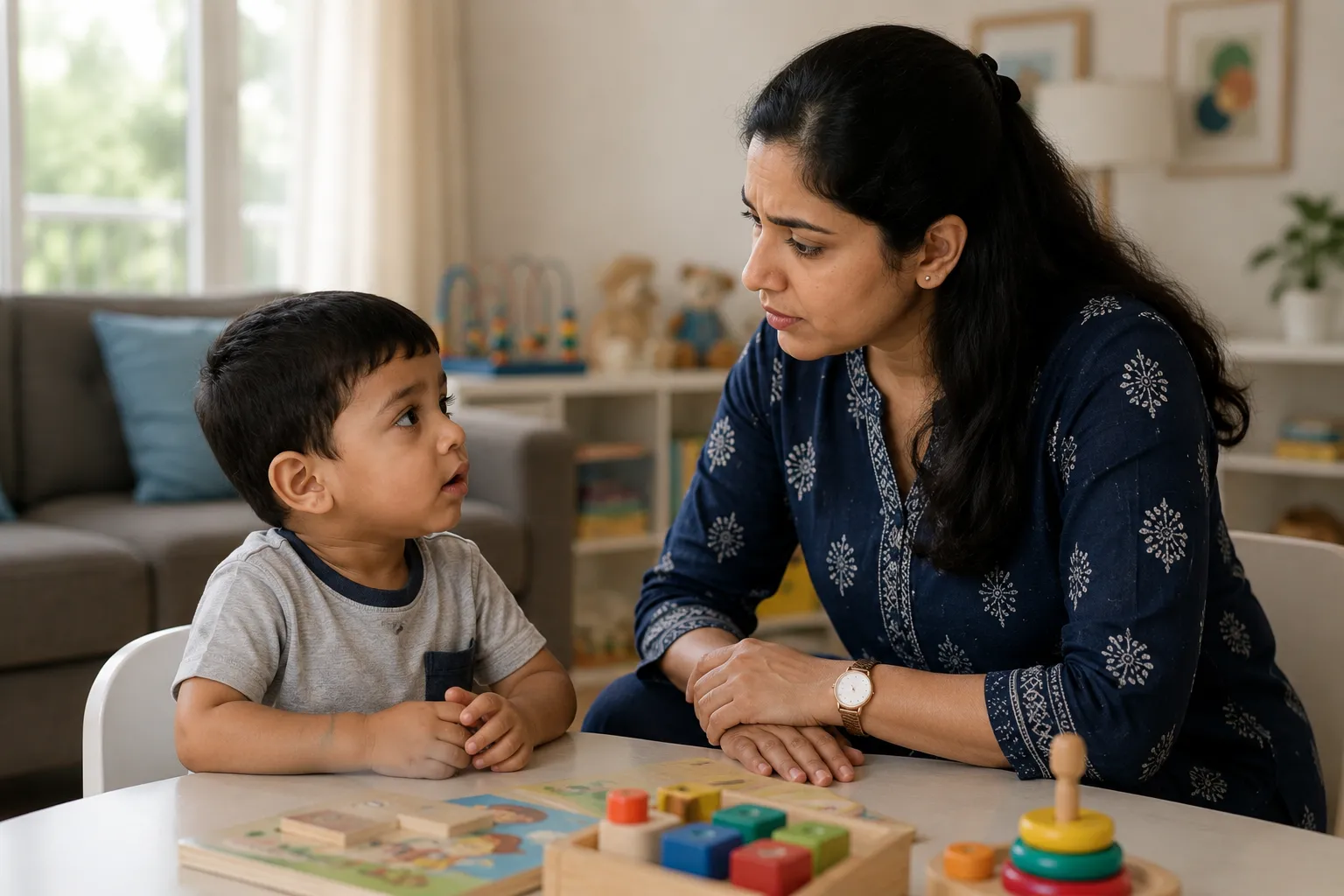
Parents are part of the process. A good ABA programme does not stay inside the therapy room. Therapists typically train parents on how to reinforce the same strategies at home, since consistency across settings is what actually moves a child's progress forward.
How ABA Is Different from Speech or Occupational Therapy
Parents often ask whether their child needs ABA instead of speech therapy or occupational therapy. In most cases, the honest answer is that these therapies work best together rather than as alternatives to each other. Speech therapy builds the mechanics of language and communication. Occupational therapy builds sensory regulation and daily living skills. ABA works across all of these areas by addressing the underlying behaviour patterns that either support or block a child from using those skills consistently.
This is also why ABA is rarely a once-or-twice-a-week add-on. Most effective programmes run several hours a week, and our own applied behaviour analysis programme is built around each child's individual goals rather than a fixed weekly template, since a child working on early communication needs a very different structure than one working on reducing specific behaviours.
What Progress Actually Looks Like
Progress in ABA is rarely dramatic overnight, and that is by design. Most families start noticing changes in smaller, everyday moments first: a child requesting a snack with a word instead of crying, sitting through a full meal without a meltdown, or following a two-step instruction they previously ignored. Over months, these smaller wins tend to build into more visible progress in communication, social interaction, and independence.
It is worth setting this expectation early, mainly because ABA works through consistent, incremental reinforcement rather than a single breakthrough moment, and understanding this helps parents stay patient through the early weeks of a programme.
How to Know If Your Child Might Need ABA
While every child is different, ABA is usually recommended when:
- A child has been diagnosed with autism and needs structured behavioural and communication support
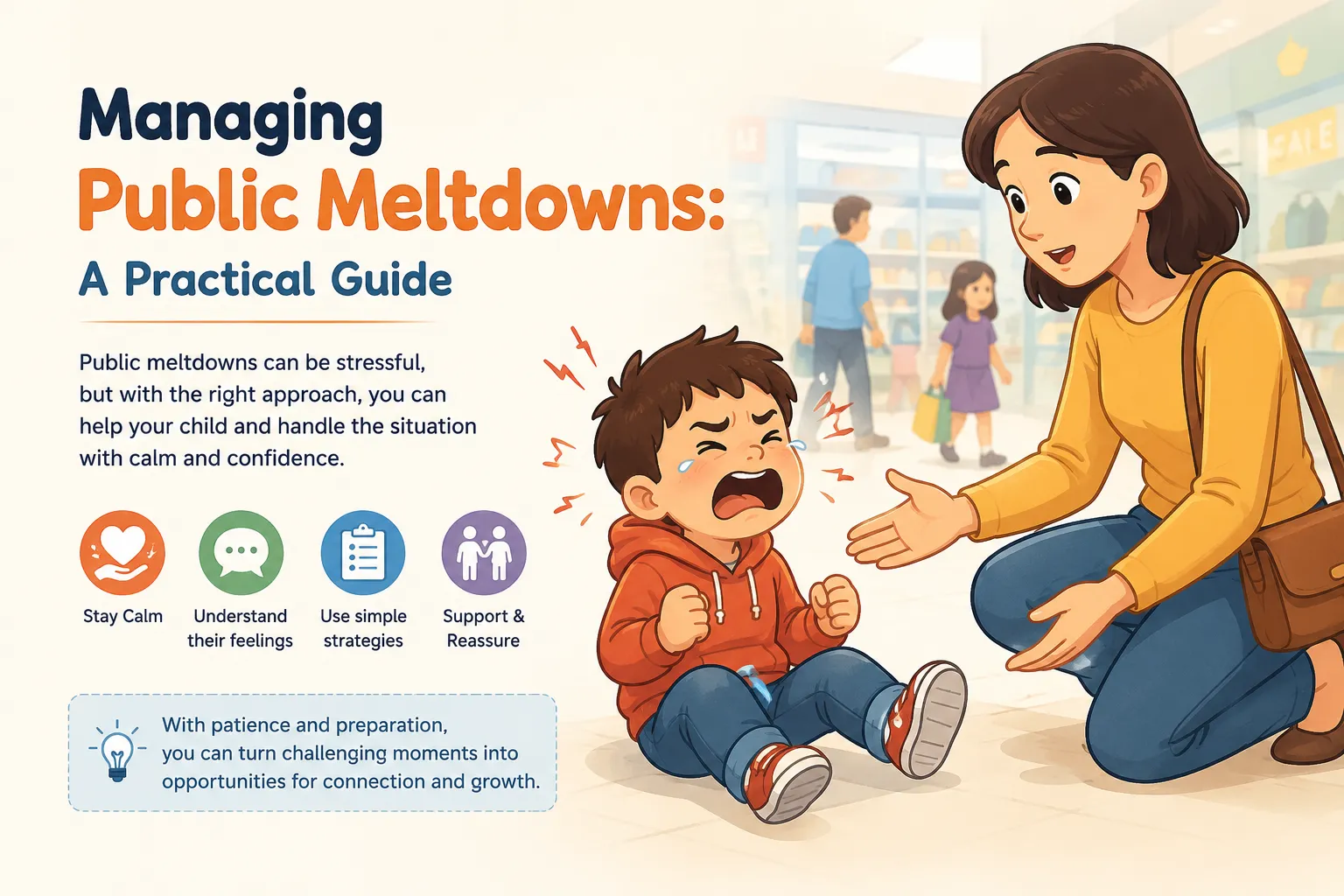
- Tantrums, aggression, or self-injurious behaviours are affecting daily routines or safety
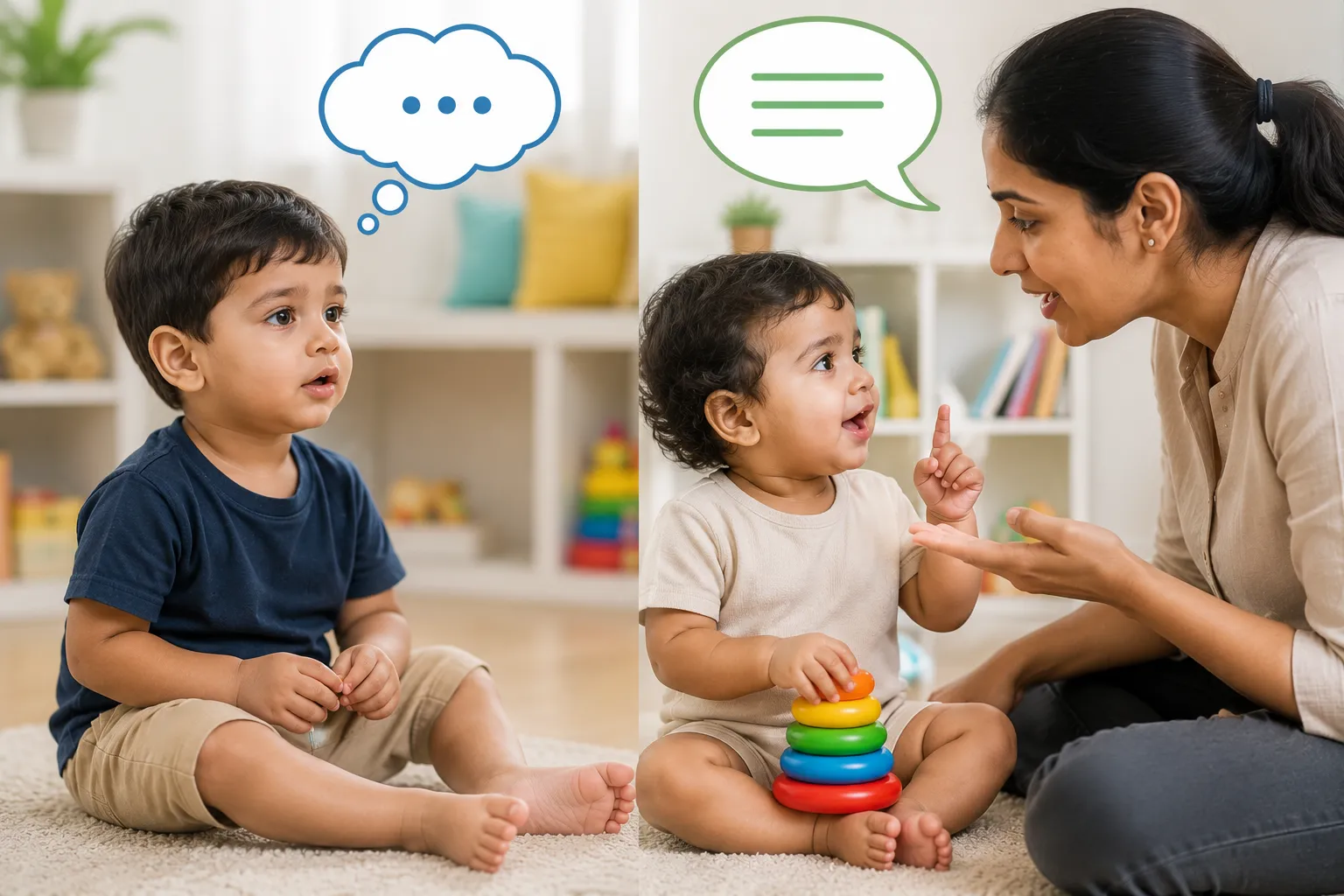
- A child is not yet using functional communication, such as words, gestures, or a communication device
- Progress with speech or occupational therapy alone has been slower than expected
- A child needs support building independence in daily living skills like dressing, toileting, or mealtime routines
If several of these sound familiar, an assessment is usually the right next step to understand whether ABA, or a combination of therapies, would suit your child best.
Conclusion
ABA therapy can sound intimidating from the outside, mostly because it is often explained in clinical, technical language rather than in terms of what it actually looks like for a child day to day. In practice, it is one of the most structured, individualised, and well-researched ways to help a child build communication, reduce challenging behaviours, and grow more independent. At AILC, our team builds every ABA plan around the specific child in front of us, not a fixed template, and we are happy to walk you through what that would look like for yours.