Signs Your Toddler's Speech Delay Might Need Professional Attention
"He will talk when he is ready."
"His father was a late talker too, he turned out fine."
"Boys just take longer to speak."
If you have heard any of these lines from relatives or even from your own doubts at 2 AM while scrolling parenting forums, you are not alone. Almost every parent of a quiet toddler goes through the same loop of hope and worry. The tricky part is that some children genuinely are late bloomers who catch up on their own, while others have a speech delay that needs early support to avoid falling further behind.
The good news is that you do not have to guess. There are clear, age wise signs that can help you tell the difference between normal variation and a delay that deserves a closer look.
Get a Professional Opinion Instead of Guessing
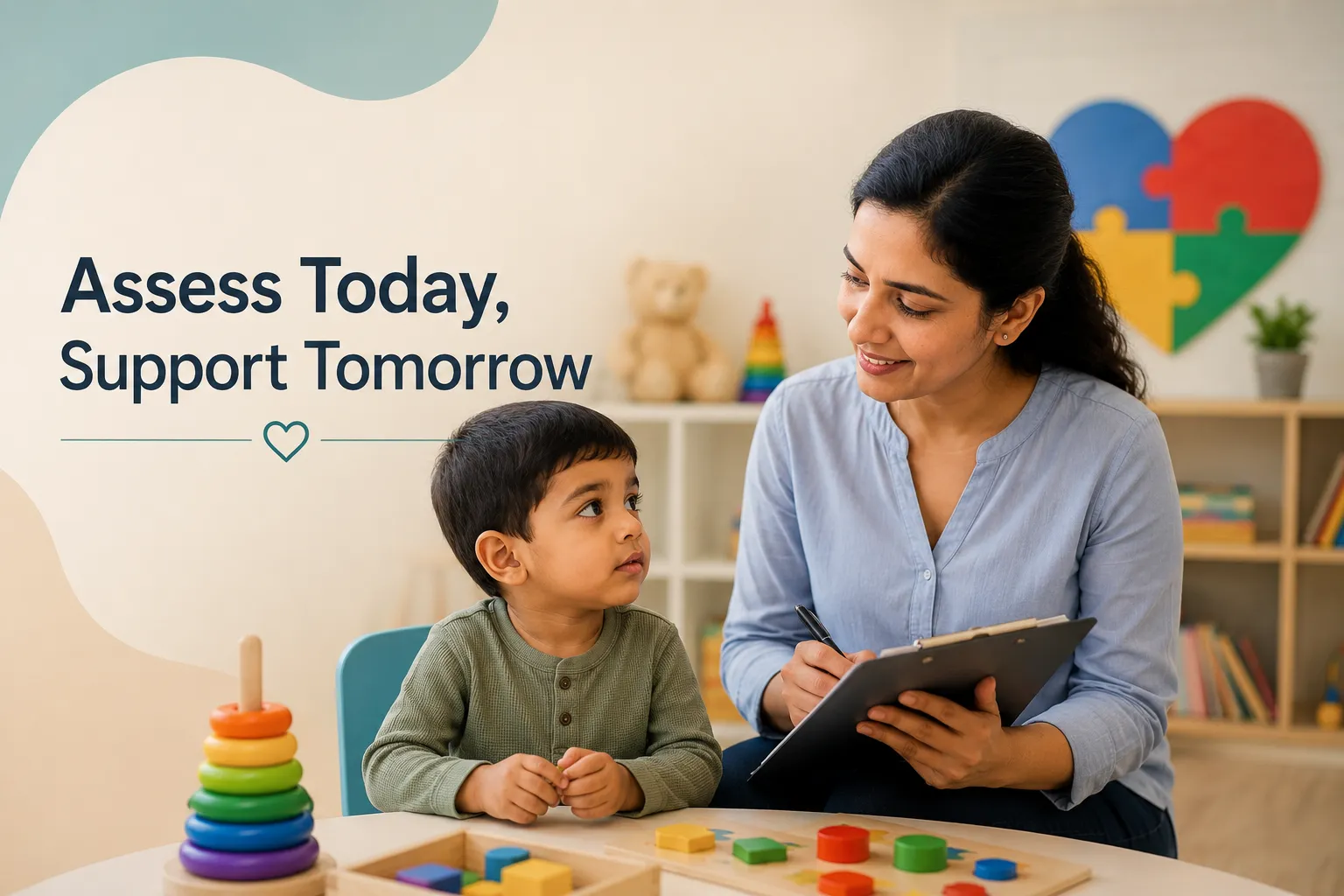
Reading a list of milestones online can only tell you so much. If a few of the signs below sound familiar, the most reliable next step is a proper evaluation rather than more waiting. At AILC, our speech therapy programme starts with a detailed assessment of your child's speech and language skills, so you get clarity instead of assumptions. For younger toddlers, our early intervention programme is designed specifically to catch and address delays during the years when the brain is most responsive to support.
If you would rather talk to someone directly about what you are noticing at home, you can book a consultation and our team will guide you on the right next step.
What Counts as a Normal Speech Delay
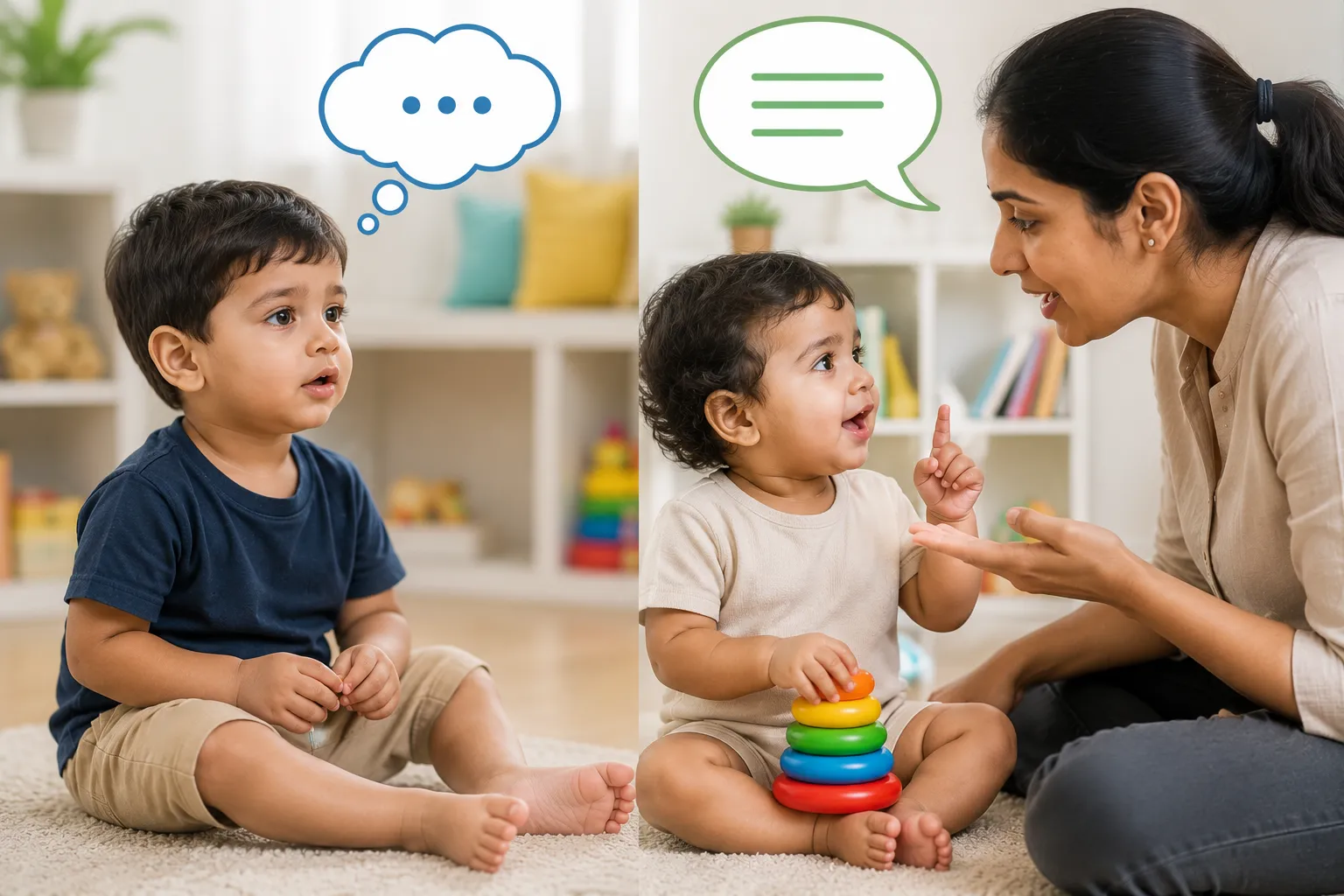
Every child develops language at a slightly different pace, and a certain amount of variation is completely normal. A late talker is usually a child who understands everything said to them, follows instructions, uses gestures to communicate, and is simply slower to produce words, but is otherwise on track socially and cognitively. Many late talkers catch up by age 3 without any formal intervention.
A speech delay, on the other hand, tends to involve more than just fewer words. It often comes with difficulty understanding language, limited use of gestures, reduced eye contact, or a general struggle to connect and communicate, not just to speak. Knowing this difference matters, because it changes whether you wait a little longer or act now. We have written a more detailed comparison in our blog on late talker vs speech delay if you want to go deeper into this distinction.
Age Wise Signs to Watch For
By 12 to 15 months
Your toddler should be babbling with changing tones, responding to their name, and attempting simple words like mama or papa. A lack of babbling or no response to sounds by this age is worth noting.
By 18 months
Most toddlers have a vocabulary of at least 10 to 20 words and use simple gestures like pointing or waving. If your child has fewer than 10 words, rarely points to show interest, or does not imitate sounds, keep this on your radar.
By 2 years
Children usually combine two words together, such as "more milk" or "want ball," and have a vocabulary of 50 words or more. A child who is not combining words, has a very limited vocabulary, or seems to lose words they once used, should be evaluated.
By 3 years
Most toddlers can form short sentences, ask simple questions, and be understood by familiar adults most of the time. Speech that remains largely unclear to family members, or very short and fragmented sentences, is a sign to seek an opinion.
By 4 years
Children are usually able to tell a simple story, use more complex sentences, and be understood by strangers most of the time. Persistent unclear speech or difficulty forming sentences at this stage often benefits from professional support rather than a wait and watch approach.
Red Flags That Need Attention Sooner Rather Than Later
Along with the age based milestones, certain signs point to a need for earlier evaluation regardless of exact age:
- Loss of words or skills the child previously had
- No babbling by 12 months or no words by 16 months
- Little to no eye contact during communication attempts
- Not responding consistently when their name is called
- Limited use of gestures like pointing, waving, or reaching
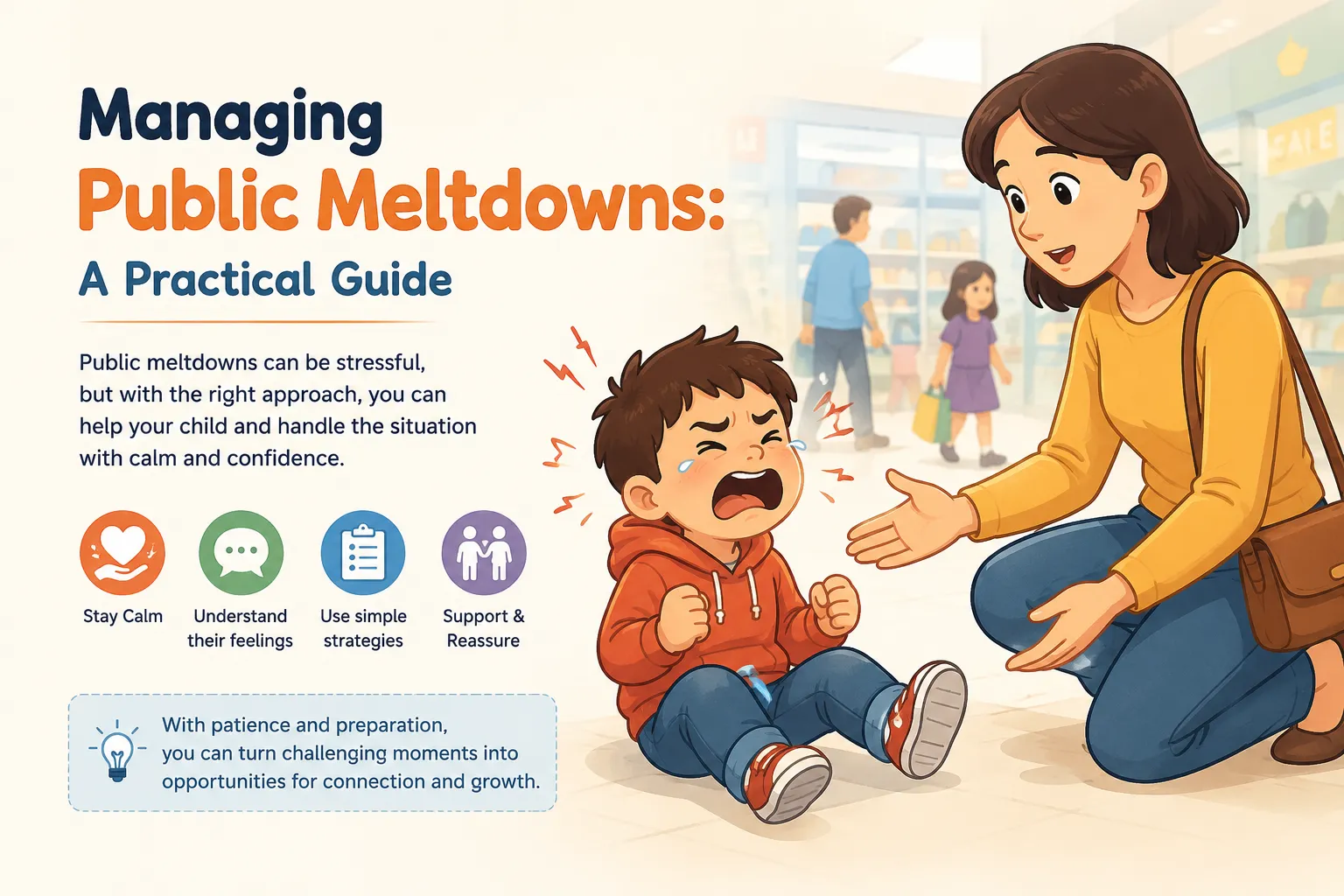
- Strong frustration or tantrums linked to being unable to communicate
- Speech that is very difficult to understand for their age
- Little interest in interacting or playing with others
None of these signs alone confirm a diagnosis, but a combination of a few of them is a strong reason to get a professional assessment rather than waiting it out.
Why Early Action Matters
The early years are when a child's brain is forming language connections at its fastest pace, which is why speech and language therapy tends to be most effective when started early. Addressing a delay at 2 or 3 years old is generally far more efficient than waiting until school age, when the gap between your child and their peers has widened and academic pressure adds another layer of stress. Waiting rarely helps and often delays support your child could have benefited from months earlier.
What Causes Speech Delays
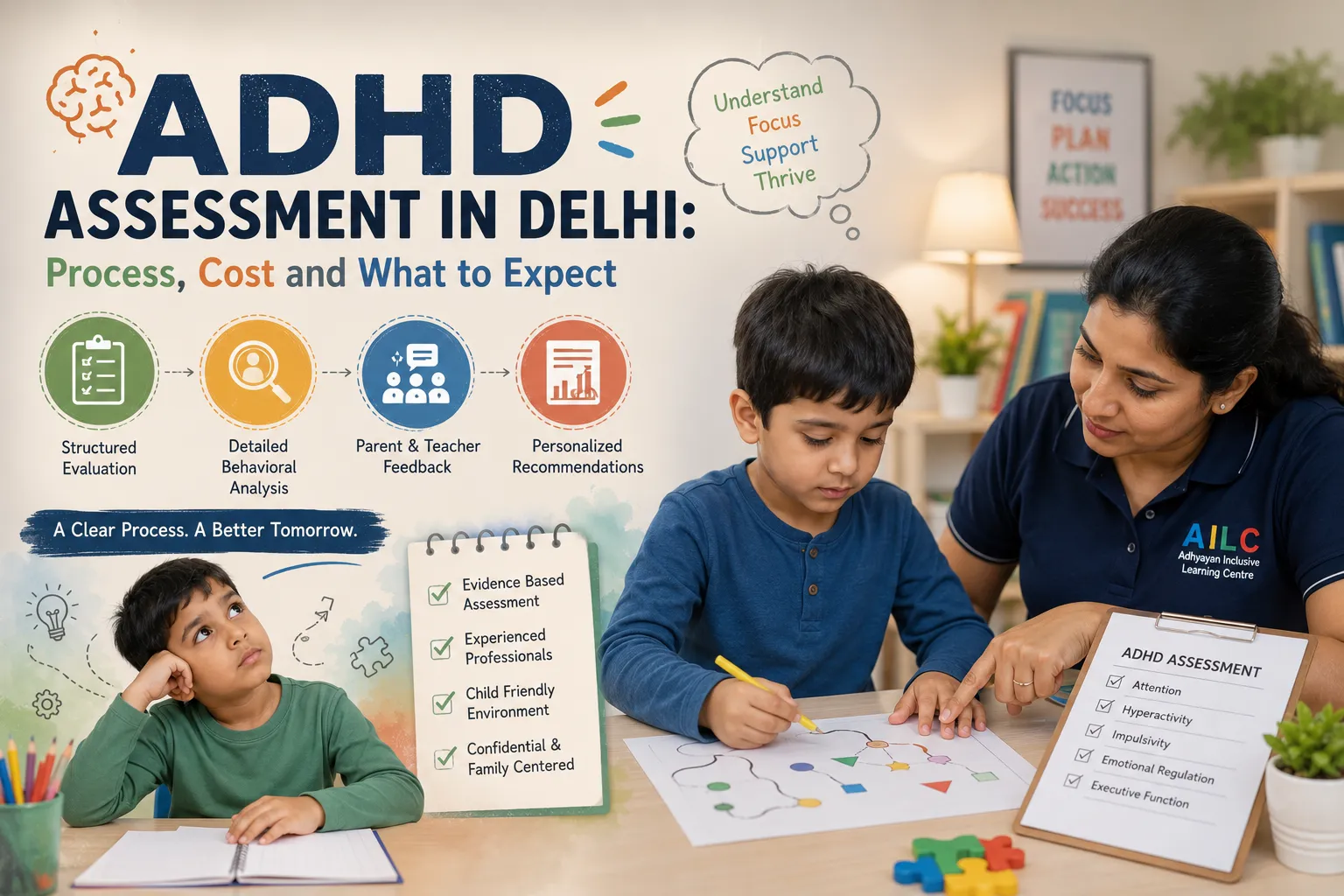
Speech delays can stem from several different causes, including hearing difficulties, oral motor issues, developmental conditions such as autism spectrum disorder, general developmental delays, or in some cases no identifiable cause at all. This is exactly why a proper evaluation matters more than trying to self diagnose based on a checklist. A qualified professional can assess whether the delay is isolated to speech or connected to a broader developmental pattern that may need input from an occupational therapist or a behaviour modification specialist as well.
What Happens During a Speech Evaluation
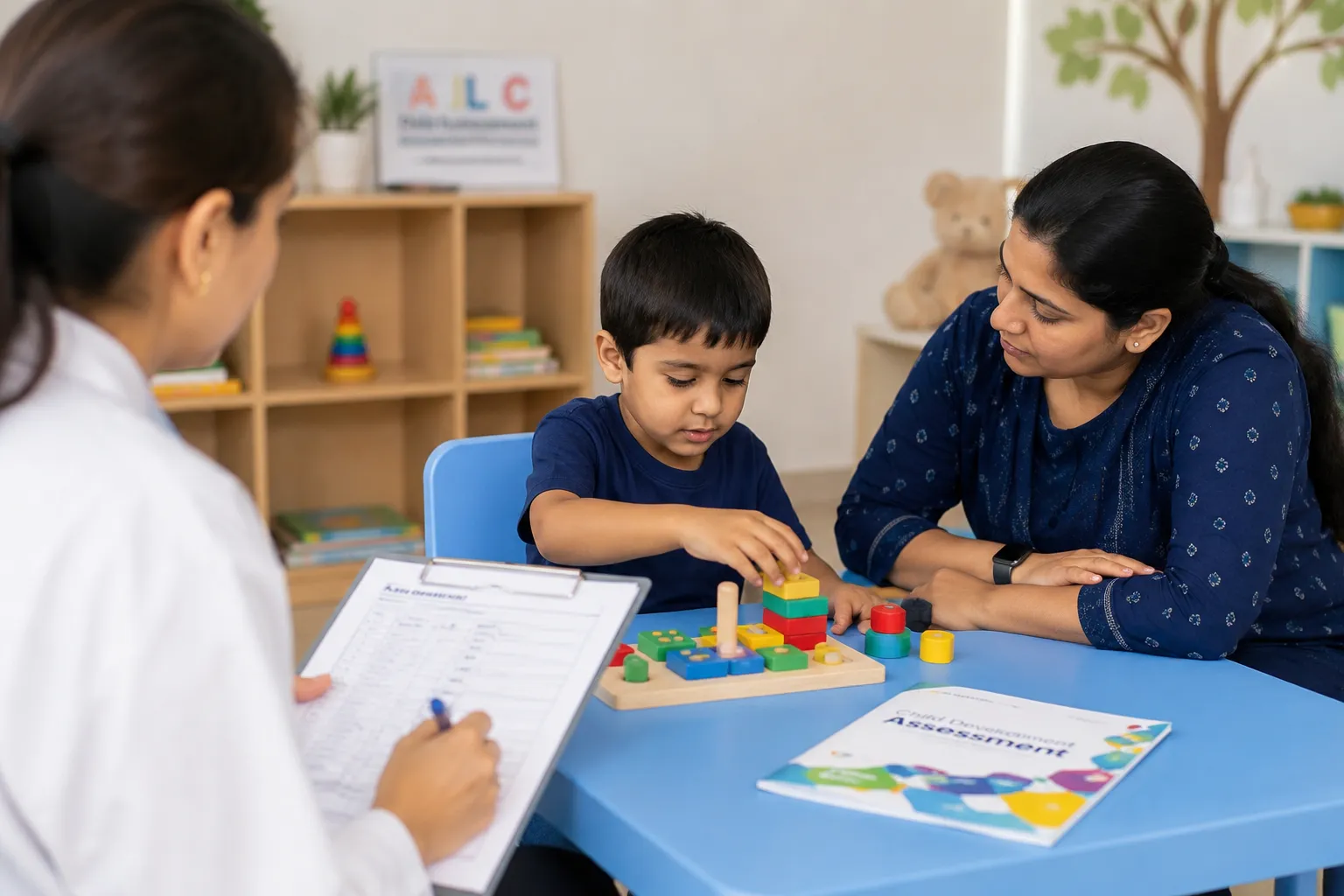
A speech and language evaluation typically looks at how much your child understands, how they communicate whether through words or gestures, their pronunciation and clarity, their play and social interaction skills, and their overall developmental history. Based on this, a speech therapist can tell you whether your child is a late bloomer who needs monitoring, or whether structured therapy would help them build skills faster and with less frustration.
In some cases, the evaluation may also flag a need for a broader psychometric evaluation to understand your child's overall developmental profile, or for special education support if learning differences are identified alongside the speech delay.
What You Can Do at Home While You Decide
While you look into professional support, there is plenty you can do at home to encourage communication. Narrate your day out loud, read aloud together every day even if your child does not sit still for the whole book, get down to their eye level when speaking to them, give them time to respond instead of answering for them, and limit passive screen time in favour of back and forth interaction. These habits will not replace therapy if therapy is needed, but they create a supportive environment either way.
When to Stop Waiting and Book an Assessment
If your toddler is behind on more than one milestone for their age, shows any of the red flags mentioned above, or if your gut feeling as a parent keeps nudging you that something feels off, trust that instinct. Parents are usually the first to notice when something is not quite right, often before anyone else does.
Getting an assessment does not mean something is definitely wrong. It means you will finally have clarity instead of uncertainty, and if support is needed, your child gets it at the age when it works best.
If you have been going back and forth on whether to get your toddler evaluated, book a consultation with AILC and let our speech and language specialists guide you with an honest, professional opinion.