Sensory Integration Therapy in Delhi: A Parent's Guide
Some children cover their ears at a flushing toilet, refuse clothes with tags or crash into furniture all day. Families are often told this is behaviour, when it can be a sensory processing difficulty. Sensory integration therapy in Delhi is one way occupational therapists help children respond to touch, sound, movement and other input in a calmer, more organised way, so that daily routines become easier for the whole family.
This guide explains how the sensory system works, the signs parents notice first, what happens in an assessment and a session, what research does and does not show, and how to choose a sensory integration therapy centre that fits your child.
How the Sensory System Works
Most people know five senses: sight, hearing, touch, taste and smell. Occupational therapists also look at three more that quietly shape everyday behaviour:
- Vestibular sense: detects movement and head position and supports balance. It explains why some children love spinning and others fear swings.
- Proprioception: tells the brain where the body is and how much force a muscle is using. It affects how hard a child presses a pencil, hugs or jumps.
- Interoception: signals from inside the body such as hunger, thirst, a full bladder or a racing heart. Difficulty here can show up in toilet training and emotional regulation.
Sensory integration is the brain's ability to organise all of this information and turn it into a useful response. When the process works smoothly, a child can listen to the teacher while the fan hums and the chair feels hard. When it does not, ordinary input can feel overwhelming, or too faint to notice.
What Is Sensory Integration Therapy?
Sensory integration therapy is a play-based occupational therapy approach that grew out of the work of the American occupational therapist A. Jean Ayres in the 1960s and 1970s. The therapist sets up swings, climbing equipment, textured materials and obstacle courses so that the child receives planned sensory experiences and practises responding to them with more control.
The aim is not the equipment. The aim is participation: eating a meal, getting dressed, sitting in class, joining a game or sleeping through the night. This is why sensory work usually sits inside a broader occupational therapy programme rather than standing alone. You can read how AILC approaches it on our page for sensory occupational therapy in Delhi.
Signs of Sensory Processing Difficulties in Children
Sensory differences look different in every child. Some children are over-responsive and find ordinary input too strong. Others are under-responsive or sensory-seeking and need more input than usual. Many show a mix, and the pattern can change with tiredness, hunger or stress.
Over-responsive patterns
- Distress at loud or sudden sounds such as mixers, hand dryers, firecrackers or crowded markets
- Strong dislike of food textures, clothing tags, wet hands, hair washing, haircuts or nail cutting
- Fear of swings, stairs, escalators or having both feet off the ground
- Avoiding messy play such as sand, paint, clay or finger food
Under-responsive and sensory-seeking patterns
- Constant running, jumping, spinning or crashing into people and furniture
- Chewing clothes, pencils or toys, or overstuffing the mouth
- Not noticing pain, a wet nappy, a runny nose or being touched
- Seeking very tight hugs, squeezing into small spaces or leaning on others
Motor and regulation signs
- Clumsiness, poor balance, trouble with stairs, bikes or catching a ball
- Slouching, tiring quickly at the desk or heavy handwriting pressure
- Quick shifts from calm to meltdown, or difficulty settling for sleep
Sensory difficulties matter most when they limit daily life. Many autistic children have sensory differences, and so do many children with ADHD or developmental delay, but sensory difficulties also occur in children with no diagnosis at all. A sensory difficulty on its own does not mean a child has autism, and it is a good reason to seek an assessment rather than to wait.
How an Occupational Therapist Assesses Sensory Needs
Parent interview
The therapist asks about pregnancy and birth, early milestones, feeding, sleep, play, school and what a typical difficult day looks like. Sensory questionnaires completed by parents and teachers, such as the Sensory Profile, are commonly used to build a picture across settings.
Observation and structured tasks
The therapist watches how the child moves, balances, handles materials and reacts to sounds, touch and movement. Fine motor, handwriting and self-care skills are checked at the same time, because they are often affected together.
Findings and goals
You should receive a clear summary, not just a label. Good goals are written around everyday participation, for example "tolerates a haircut with a short break", "eats three new foods with different textures", or "sits for a ten-minute classroom task". Targets are shared so that home and school use the same language.
What Happens in a Sensory Integration Therapy Session
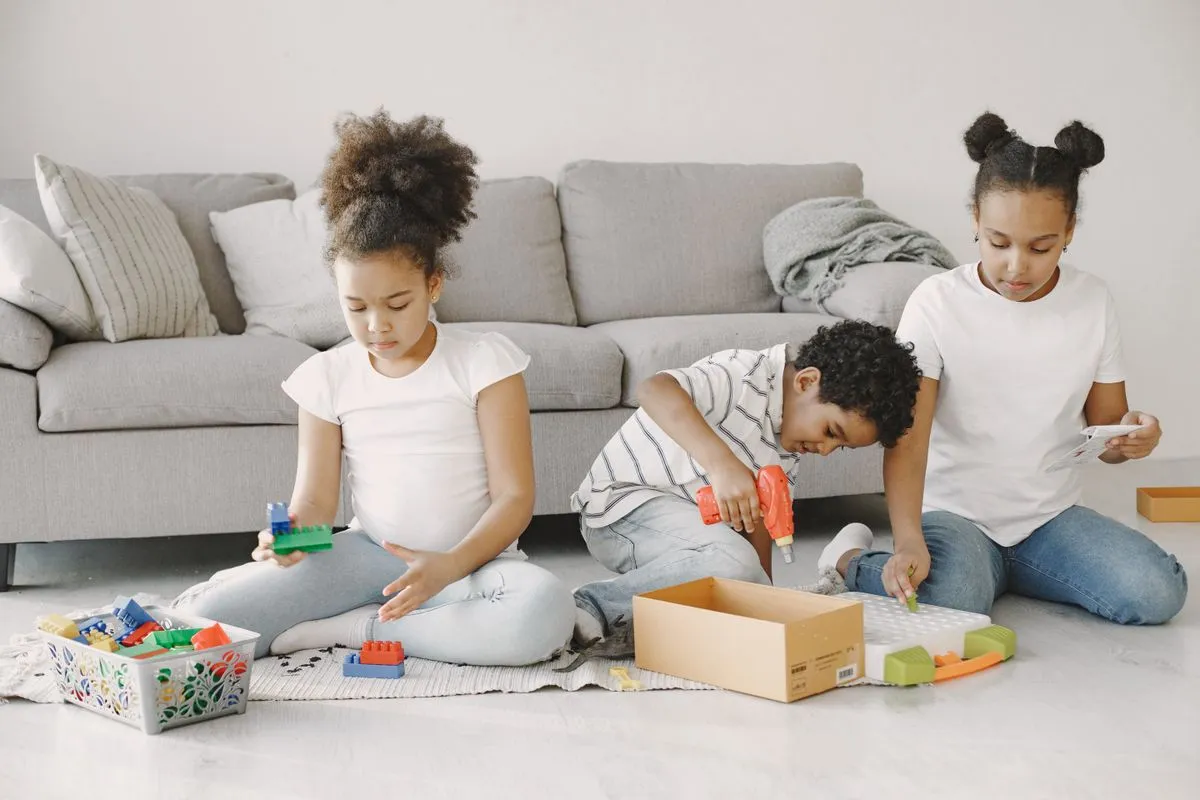
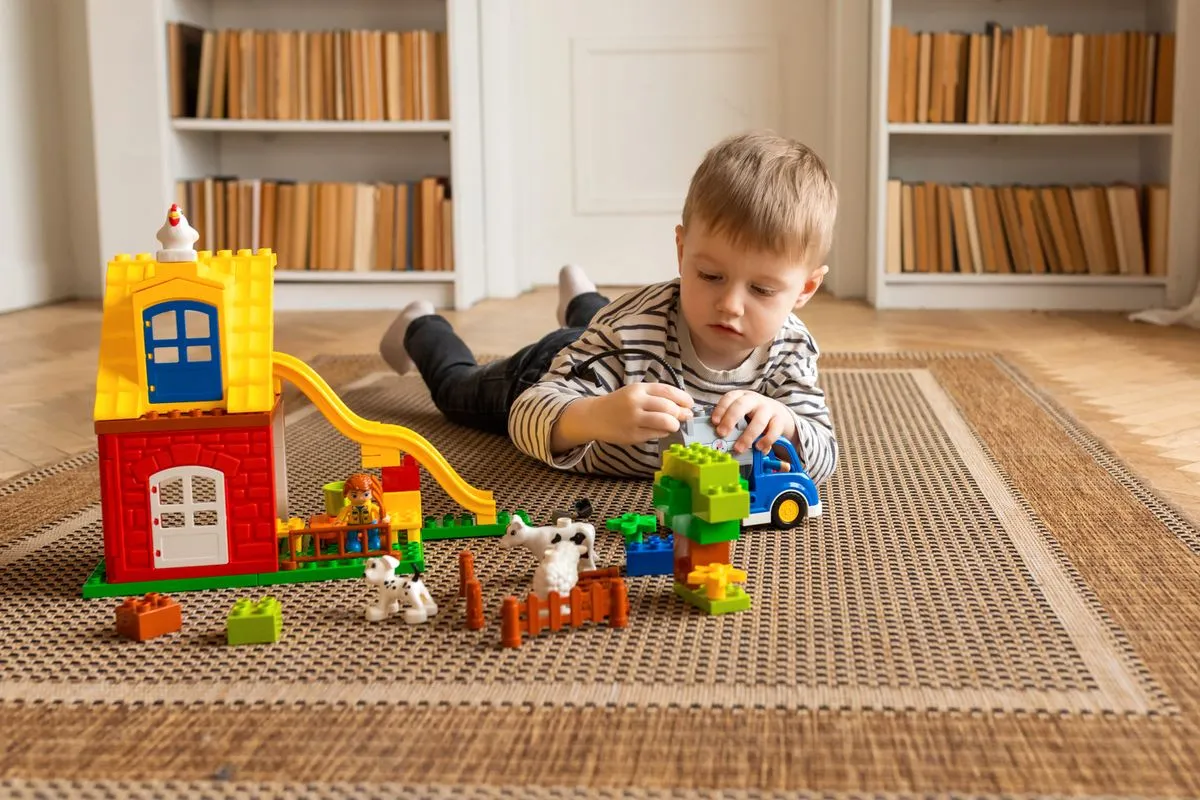
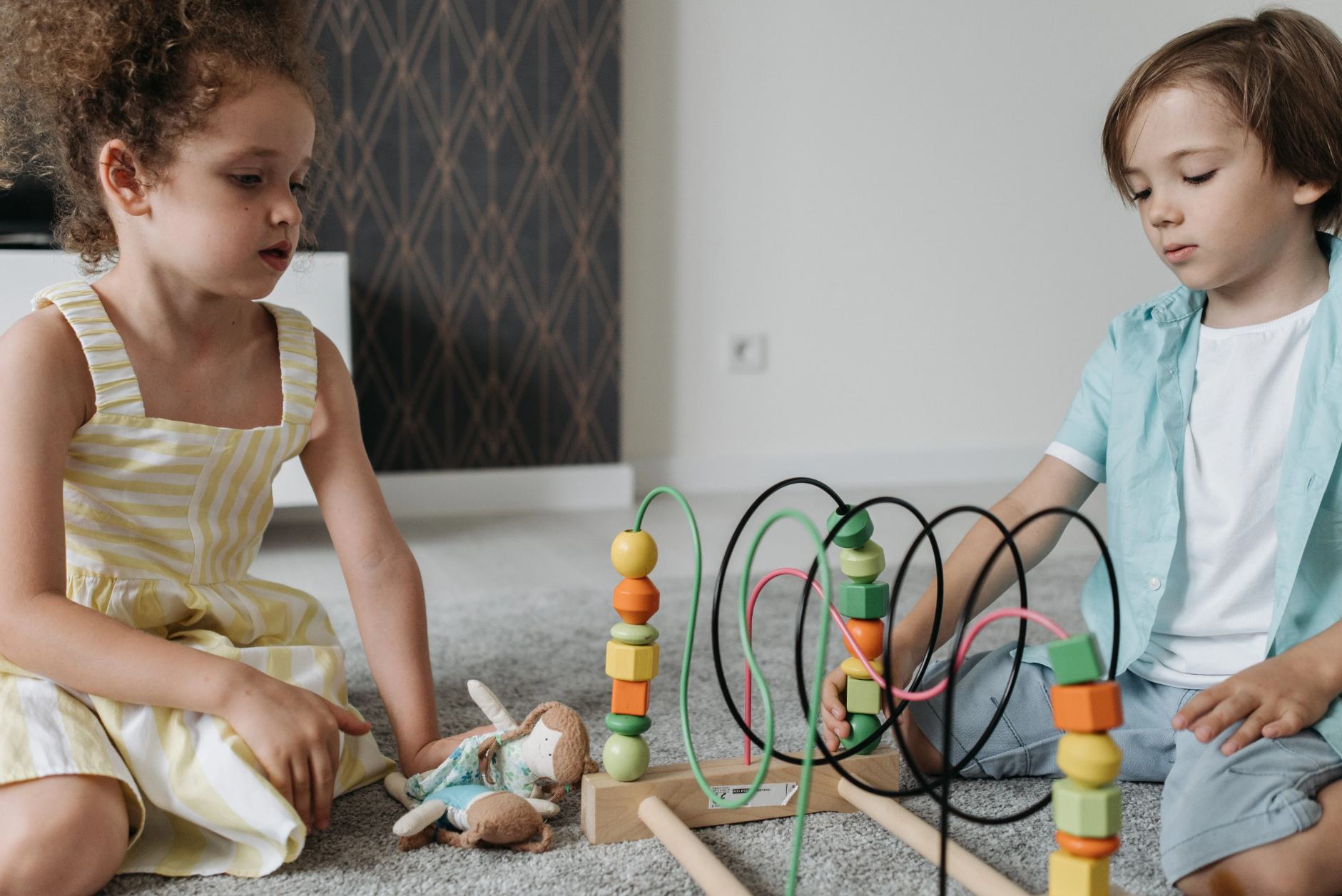
Sessions look like play, but each activity is chosen on purpose. A child might swing, climb a ladder, crawl through a tunnel, push a weighted cart, walk across different surfaces or work through an obstacle course. The therapist adjusts the challenge so that it is demanding enough to build skill but not so hard that the child shuts down.
- Vestibular activities such as swinging and rolling build balance and help organise arousal.
- Proprioceptive or "heavy work" activities such as pushing, pulling and carrying often help children feel calmer and more grounded.
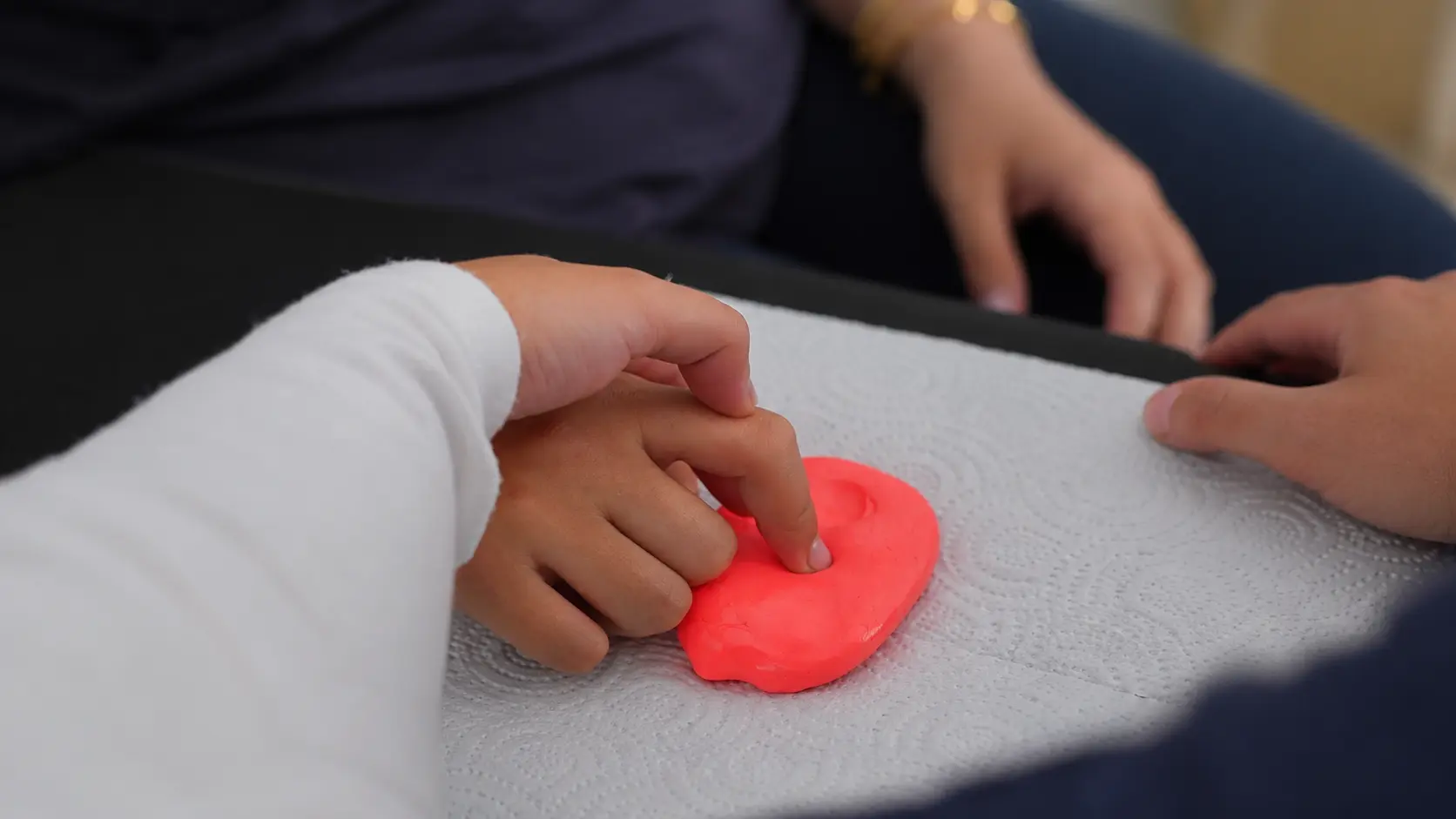
- Tactile activities such as sand, dough and brushes introduce touch gradually and playfully.
- Praxis tasks such as building a course, planning the steps and completing it help with motor planning, which many children with sensory difficulties find hard.
As regulation improves, the therapist adds tasks that need planning, attention and fine motor control, such as cutting, pencil work or dressing practice. Some children need combined support for feeding or mouth movements, which is covered by oral motor therapy.
Building a Sensory Diet for Home and School
A sensory diet is a personalised schedule of activities spread through the day that helps a child stay calm and alert. The name has nothing to do with food. A therapist designs it after assessment and reviews it as the child changes.
- Morning: animal walks, wall push-ups or carrying a school bag to wake up the body before class
- School: a movement break between tasks, a chewy tool for a child who chews, a quiet corner or noise-reducing headphones for loud periods
- After school: playground time, swinging, jumping on a mattress or helping carry groceries
- Evening: dim lights, deep-pressure hugs, a warm bath and a predictable bedtime routine
Whether you are managing a sensory diet for autism, ADHD or general sensitivities, the best plans are small, consistent and agreed with the teacher. Avoid copying a list from the internet. The right activities differ for a child who seeks input and one who avoids it, and the wrong activity can raise distress.
Sensory Integration for Autism, ADHD and Developmental Delay
Sensory differences are part of the diagnostic picture of autism, and therapy goals often focus on comfort at school, mealtimes and in public places. Our page on occupational therapy for autism explains how sensory work fits with play, self-care and daily living skills.
Children with ADHD may seek movement or struggle to stay regulated in a classroom, and movement breaks and seating changes can help. For children with wider developmental delay, sensory work is combined with motor, language and learning support so that the plan matches the whole child.
What Does the Research Say?
Parents deserve a balanced answer. Ayres Sensory Integration, which is delivered with a defined structure and by trained therapists, has been studied in randomised trials. One often-cited 2014 trial by Schaaf and colleagues followed 32 autistic children aged 4 to 8 and found improvements in individual goals and in the amount of help needed for self-care and social functioning, compared with usual care. Reviews of the wider literature, however, report mixed results and differences in study quality, and the American Occupational Therapy Association's 2018 practice guidelines separate Ayres Sensory Integration from other sensory techniques when weighing the evidence.
What this means for families:
- Sensory integration therapy is best viewed as one part of a plan, not a cure or a replacement for speech therapy, special education or behaviour support.
- Goals should be personal and measurable, and progress should be reviewed regularly.
- Be cautious with any provider who promises fast or guaranteed results, or who uses sensory therapy as the only treatment for a child with several needs.
How to Choose a Sensory Integration Therapy Centre in Delhi
- Qualified occupational therapists who assess before they treat and explain their findings
- A safe, well-equipped space with swings, climbing equipment and quiet areas, supervised one-to-one for each activity
- Parent involvement including a written home programme and training
- Team coordination with speech therapy, special education and behaviour support when needed
- Clear goals and review points instead of open-ended sessions
- Openness about evidence and about what the therapy can and cannot do
Our guide on how to choose the right occupational therapist covers questions to ask at a first visit, including qualifications and session structure.
Sensory Integration Therapy at AILC, South Extension
Adhyayan Inclusive Learning Centre has worked with children with special needs for more than 30 years from E-17, 2nd Floor, South Extension Part 1, New Delhi. Families from South Delhi, including Defence Colony, Lajpat Nagar, Greater Kailash, Hauz Khas and Saket, and from across Delhi NCR visit us for occupational therapy, speech therapy, special education and behaviour support under one roof.
If you recognise your child in this article, the first step is an assessment, not a long programme. Book a consultation or call +91 98100 52388 to speak with our team about sensory integration therapy in Delhi.